


Waymo's Twenty-Dollar Problem: Robotaxis Can't Close Their Own Doors (Yet!)
Waymo has been paying people $20 a pop to close robotaxi doors that passengers leave open, highlighting a quirky, unforeseen challenge for autonomous fleets.
Tag
25 stories
Waymo has been paying people $20 a pop to close robotaxi doors that passengers leave open, highlighting a quirky, unforeseen challenge for autonomous fleets.
Former Waymo CEO John Krafcik poured some cold water on the hype at CES, stating that the idea of personal robotaxis in your driveway within two years is "silly," emphasizing realism over aggressive timelines.

Waymo is leveling up its robotaxi fleet with the new, Chinese-built 'Ojai' electric van, set to roll out across its expanding network of cities this year, replacing the aging Jaguar I-Pace fleet.

Nvidia CEO Jensen Huang praised Tesla's FSD as "world-class" while highlighting the fundamental differences with Nvidia's new Alpamayo system, focusing on platform vs. integration.

The U.S. government is considering major changes to autonomous vehicle regulations, potentially boosting Tesla's Robotaxi and Cybercab ambitions significantly.
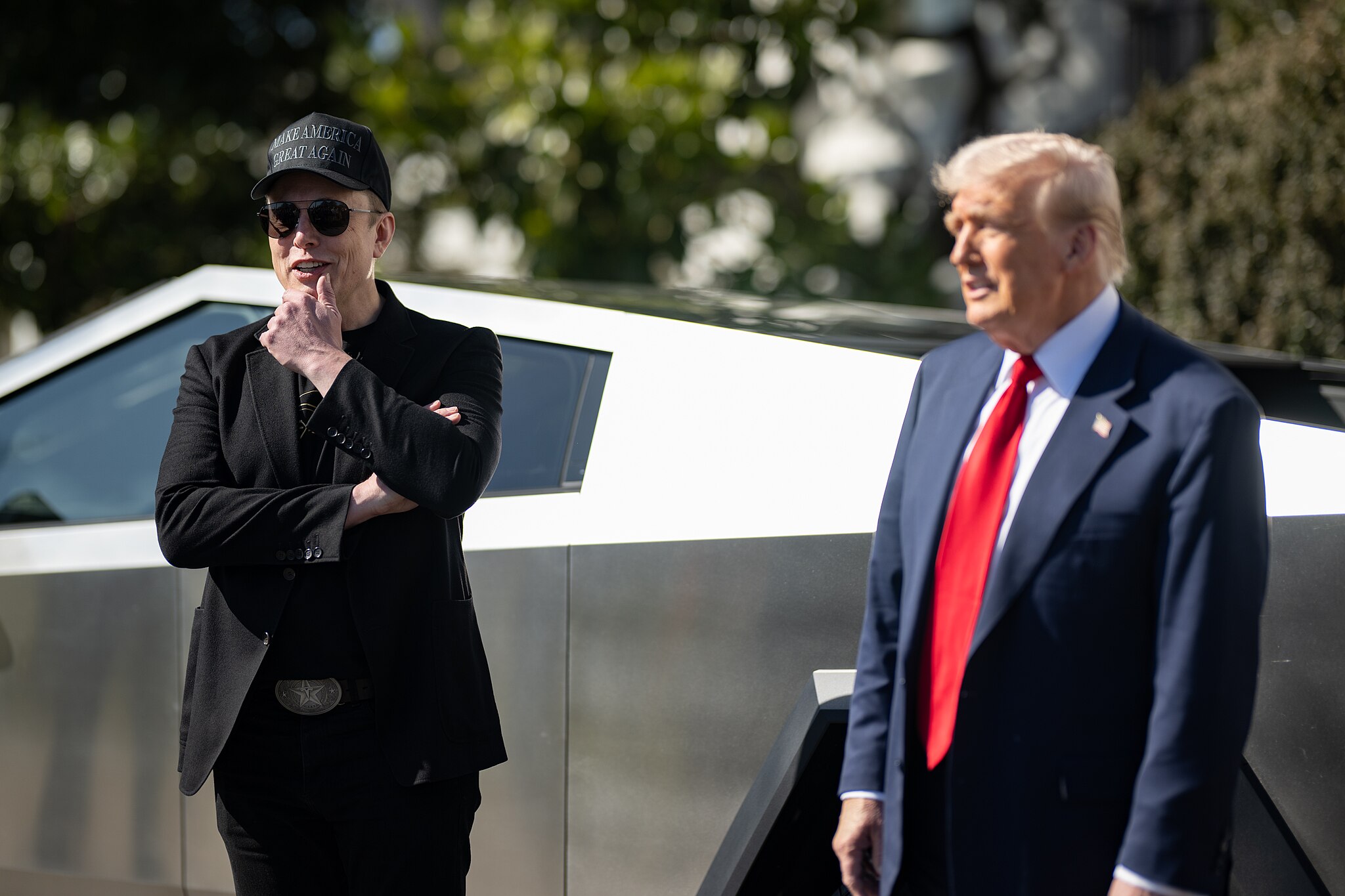
Elon Musk and President Trump have rekindled their friendship, potentially bringing regulatory relief and favorable trade policies for Tesla's autonomous ambitions.

In a twist nobody saw coming, Waymo's advanced robotaxis are hitting a very human snag: passengers leaving doors ajar. Now, the autonomous leader is paying gig workers to literally drive around and close car doors. Turns out, even in the future, some problems are just old school.

Tesla's Robotaxi service is rolling out a new feature: cleaning fees up to $150 for messy passengers, proving that even in a driverless future, human problems (and their consequences) persist.

Tesla's Full Self-Driving (Supervised) fleet is closing in on an incredible 7 billion miles, with a massive 2.5 billion of those tackled in complex city environments. This vast data pool is accelerating FSD's intelligence, making it smarter than a fresh-out-of-the-DMV teenager.

Waymo's self-driving taxis faced serious scrutiny after a San Francisco power outage left them stranded at intersections, causing major traffic disruptions and raising questions about AV reliability in emergencies.

Waymo reaches 20 million fully autonomous passenger trips, showcasing rapid scaling in its ride-hailing service.

Volkswagen begins testing its Gen.Urban robotaxi prototype in Germany, featuring no steering wheel or pedals for a fully autonomous passenger experience.

Tesla's Robotaxis are officially rolling driverless in Austin, a major step for autonomy, but critics are pointing to a concerning lack of transparent safety data.

Rivian just laid out its ambitious autonomy plans, revealing an in-house AI chip, a 'Universal Hands-Free' driving system covering millions of miles, and a commitment to lidar for future Level 4 capabilities.

Rivian unveils a custom AI chip, Universal Hands-Free driving for millions of miles, and an AI assistant, going all-in on in-house autonomy.

Waymo issued a voluntary software recall for its robotaxis after they failed to stop for school buses in multiple incidents.

Uber chose the Lucid Gravity SUV as its next-gen robotaxi primarily for its built-in redundant architecture and safety features, requiring minimal modification for autonomous operation.

Rivian CEO RJ Scaringe predicts that truly driverless Rivians, capable of running errands without a human onboard, will be a reality by the end of the decade.

I test-drove the Strutt EV1, an autonomous robot-chair that promises to redefine personal mobility with self-driving capabilities, advanced sensors, and intuitive AI navigation.

Waymo is expanding its autonomous vehicle operations to four new U.S. cities: Baltimore, St. Louis, Pittsburgh, and Philadelphia. The Jaguar I-PACE fleet will start manual data collection, paving the way for eventual robotaxi services.

Waymo's robotaxi charging operations in Santa Monica just hit a noisy roadblock: city officials ordered them to halt overnight charging due to resident complaints about constant beeping and equipment noise. This highlights a critical, growing challenge for AVs: how do they scale their charging without turning neighborhoods into loud, blinking tech hubs?

Elon Musk just revealed that Tesla's robotaxi fleet in Austin is set to roughly double next month, a move to address high service demand. While still shy of initial year-end targets, this expansion is a concrete step for Tesla's autonomous ride-hailing ambitions, facing competition from rivals like Waymo.

Waymo's Q3 2025 rider data reveals 90% of robotaxi trips carry two passengers or less, inadvertently validating Tesla's controversial two-seat Cybercab strategy.
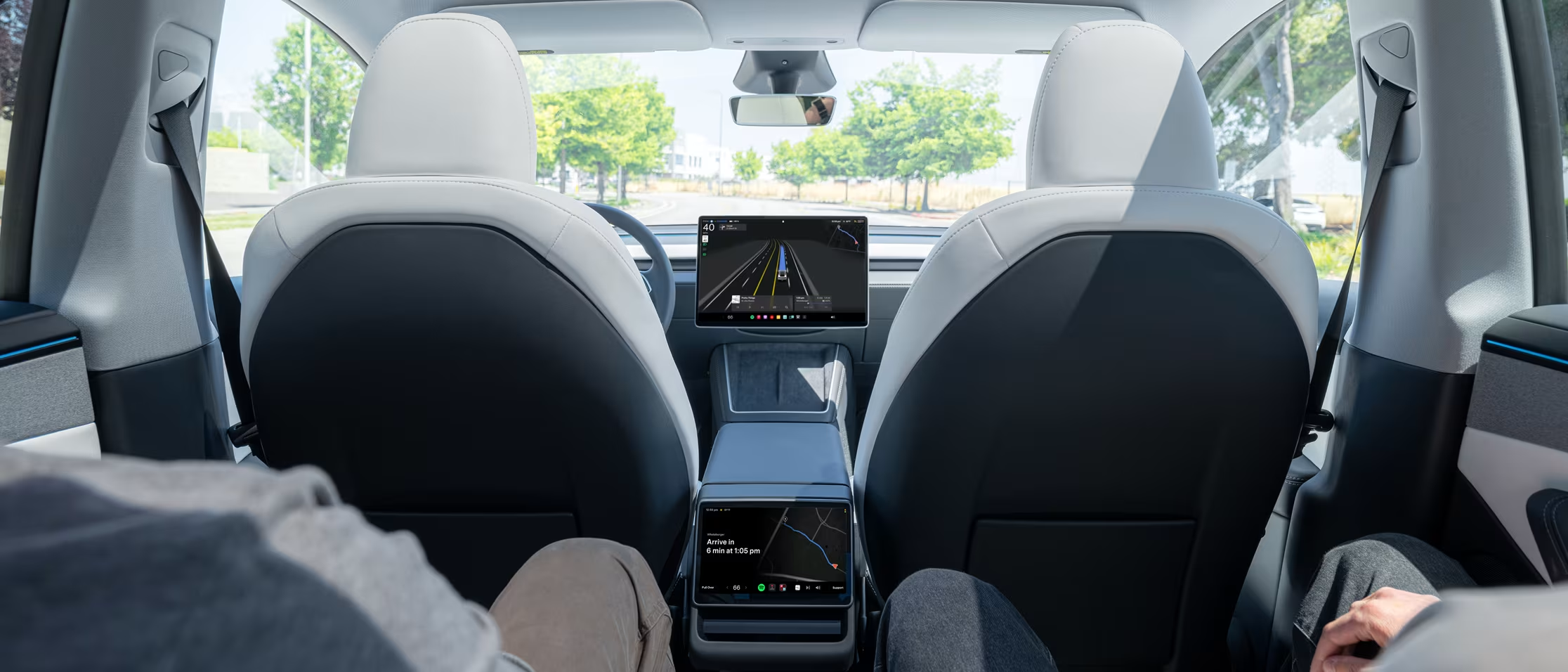
Tesla just got the green light to *operate* its autonomous vehicles on public roads in Nevada, a huge step, but don't pull out your wallet for a robotaxi ride just yet. They still need the permit to charge you for the pleasure!

Waymo is hitting the gas, expanding its driverless robotaxi operations to five brand new U.S. cities, starting with Miami, proving this ain't no slow lane anymore!
We’d love your thoughts
Few quick questions, no fluff. Tell us which stories spark your interest and how we can make this daily brief more useful for you.