
Analysis
Trump's Tariffs & Coal's Twilight: A Policy Head-Scratcher for Clean Tech
TL;DR: Despite promises of boosting coal, Trump's tariffs have hurt the industry, leading to job losses, while broader administration policies are now targeting elite academia and critical clean technology companies, raising questions about actual national security priorities.
Meta: Trump's policies are paradoxically harming coal jobs through tariffs and targeting clean tech, while threatening top US academic institutions.
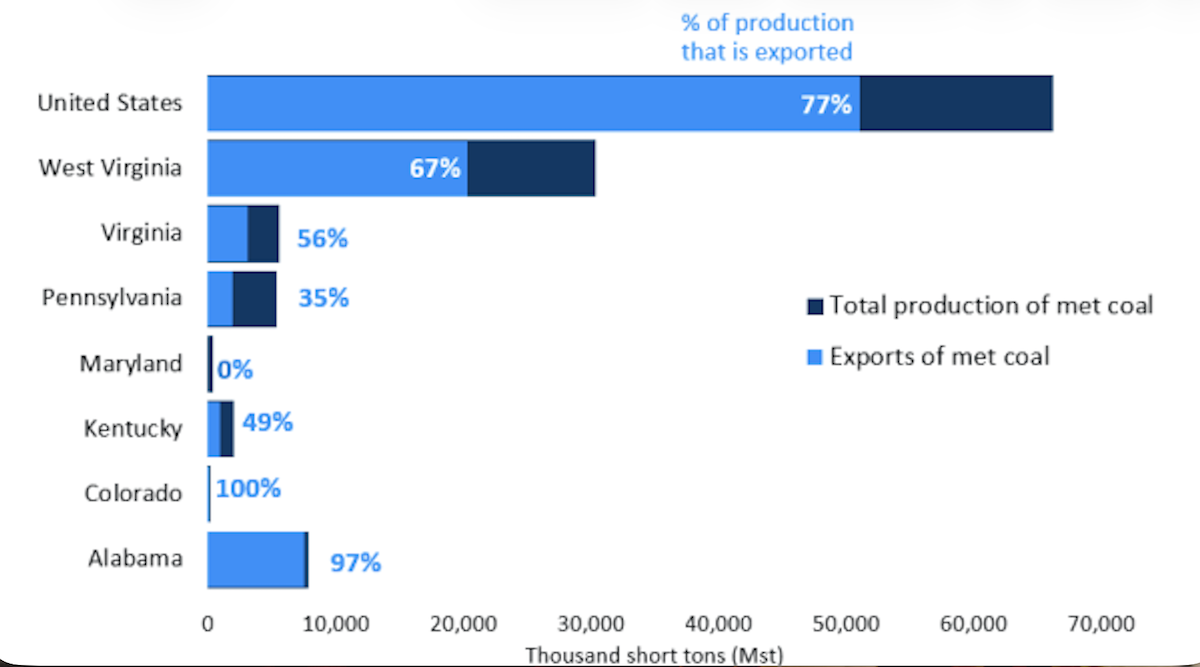
Alright, let’s get real about this political tightrope walk! The talk from the White House has always been about bringing back coal jobs and putting America first. But a funny thing happened on the way to the coal mine: Trump’s own policies, especially those tariffs, have ended up cutting off the very legs of the industry he promised to save! China, our number two market for metallurgical coal, slapped back with tariffs up to 140% at one point. US coal exports plunged, leaving West Virginia, the top met coal producer, bleeding jobs faster than a leaky faucet. You can't promise to save an industry with one hand and then strangle its markets with the other. That's just bad math, people!
And it's not just coal getting the squeeze. The administration is also taking some head-scratching shots at American academia and critical clean technology. We're talking about leaked blacklists targeting top US universities – places like MIT, Harvard, Yale – which are powerhouses of innovation and research, including for military applications. Seriously? You want a strong military, you need strong minds, and those come from strong institutions. Undermining them only weakens the country's intellectual and engineering backbone. This ain't about national security; it looks more like an ideological power play.
The Target: Clean Tech & Private Sector
Now, let's talk about those 'Chinese Military Company' blacklists. Initially, these lists raised eyebrows, but upon closer inspection, they're not always targeting actual military hardware manufacturers. Instead, they're going after private sector EV makers like BYD and NIO, and major battery producers like CATL and EVE Energy – companies that are global leaders in clean tech. Meanwhile, state-run, ICE-centric automakers with military ties are often left untouched. Even e-commerce giants like Alibaba and Tencent are on the list, which are private sector companies that actually take power away from state-run banks and media.
This isn't about protecting national security threats; it's looking an awful lot like an attack on emerging private sector competition and the very clean technologies that challenge established fossil fuel interests. The US military is the world's largest consumer of oil, and when you blacklist clean energy companies, it sends a clear signal about whose interests are really being protected. It's a playbook that seems more focused on maintaining the status quo for legacy industries than genuinely advancing American competitiveness or national defense.
Unintended Consequences and the Big Picture
The consequences of these policies are far-reaching. For coal workers, it means promises unmet and livelihoods lost, not just to mechanization, but to trade wars. For clean tech, it means increased costs and disrupted supply chains, slowing down the very innovations needed to combat climate change and build future energy independence. And for academia, it risks isolating US institutions and creating an engineering talent gap that will have long-term repercussions.
It’s a tangled web, people. The disconnect between political rhetoric and actual policy outcomes is stark. When you penalize the very institutions and companies that drive innovation – both in traditional and new energy sectors – you're not strengthening the nation; you're weakening it. True power comes from embracing progress, not trying to turn back the clock or stifle competition. This ain't just bad politics; it's bad economics, and it affects everyone.
What's Next
Expect the friction to continue as these policies play out. The Supreme Court's striking down of some tariffs under IEEPA may lead to new methods of imposing trade barriers, keeping industries on edge. The struggle between old energy and new energy, and between open academic research and ideological control, will define the economic and technological landscape for years to come. Ultimately, real security comes from strength in innovation and a competitive market, not from blacklists and broken promises. We gotta be smarter than that, people!
Wake up and smell the clean energy, baby!
Previous
California's EV Power Play: Tesla Still Dominates, But Others Are Catching Up!
Next
PHEV's Pesky Problem: Study Says Some Hybrids Guzzle Triple the Fuel Claimed!

Eddie W
Author
Need an OG image?
Share this story to automatically generate an image via /api/og.
Comments
Join the discussion below.