

Analysis
EU's Electric Bus Bonanza: Battery Power Takes the Wheel, Hydrogen Hits the Brakes!
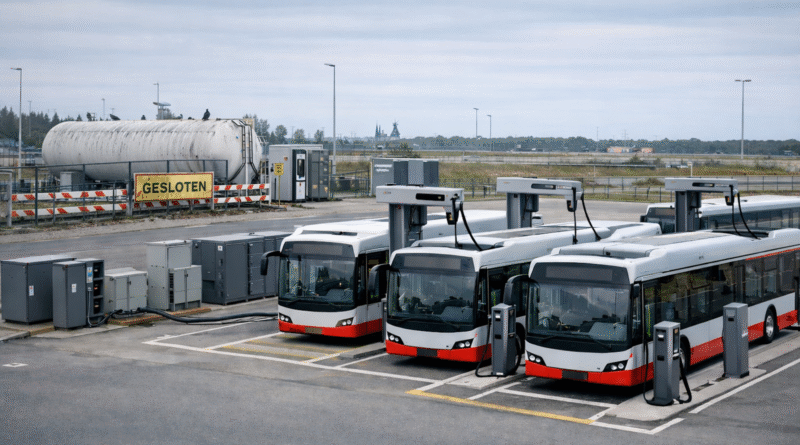
TL;DR: Battery-electric buses are now dominating new city bus registrations across the EU, vastly outpacing hydrogen fuel cell buses, which saw peak deliveries in 2025 and are now on a declining trend due to cost and operational complexities.
Meta: The EU city bus market reached peak hydrogen fuel cell bus deliveries in 2025 as battery-electric models surged to dominance.
Alright, buckle up, Europe, because the electric bus revolution is here, and it's looking a lot more like 'battery' than 'hydrogen'! A new report from Transport & Environment (T&E) confirms what many of us suspected: battery-electric buses are now running the streets, dominating new city bus registrations across the EU. And get this – they're way ahead of schedule! While hydrogen fuel cell buses had their moment in 2025, that year looks like it was their peak, with their star quickly fading compared to the unstoppable rise of battery power. It's a clear win for practicality and efficiency, baby!
Now, if you glance at the numbers, you might see some countries, like Germany, still showing around 9% hydrogen bus share in 2024 and 2025, and the EU average around 4%. But don't let those percentages fool you! Slovenia, for example, might show a high percentage for hydrogen, but their total bus market is tiny. A handful of vehicles can swing those numbers dramatically. The real story lies in the absolute volumes and the procurement timelines.
The Netherlands Paved the Way
Take the Netherlands, for instance. They were early adopters, experimenting with both battery-electric and hydrogen fleets, even building refueling depots. But after getting real-world experience, they saw the challenges: reliability issues, tricky refueling logistics, and high operating costs. So what did they do? They pivoted! Multiple Dutch transit authorities publicly declared their future procurement would be battery-electric only. By 2025, their hydrogen share was down to about 4%, which is mostly just residual deliveries from older orders or administrative re-registrations. The Netherlands moved from early hydrogen enthusiasm to full battery-electric dominance. That's a clear narrative arc, folks!
Germany, on the other hand, is a bigger player with deeper hydrogen commitments. Their 9% fuel cell share in 2024 and 2025 is a result of a wave of hydrogen bus awards in 2022 and 2023 when enthusiasm and federal support for hydrogen were high. Companies like DB Regio Bus and Rebus Rostock placed significant orders. Those orders are just now translating into deliveries, creating a lagging indicator. While battery-electric buses in Germany jumped from 25% to 41% between 2024 and 2025, hydrogen just plateaued. It seems even Germany is finally figuring out where the real action is.
The Realities of Procurement
Procurement timelines in the bus world are long, typically 18 to 30 months from funding to delivery. So, if hydrogen enthusiasm peaked a couple of years ago, we're seeing those old orders finally rolling onto the streets now. But the publicly visible new hydrogen bus awards for 2025 are almost nonexistent compared to 2024. That tells you the trend has shifted. Cities are still announcing massive battery-electric fleet awards, with no signs of slowing down. Germany's large orders mean it will have a longer 'hangover' from its hydrogen phase, but the direction is clear.
This isn't just about what's cheaper; it's about what works best in practice. Battery-electric buses offer simpler infrastructure, proven reliability, and increasingly competitive costs. Hydrogen, while promising in certain niches, has struggled to scale and deliver on its promises for widespread city transit. The market is speaking loud and clear, and it's saying 'battery power.'
What's Next
Expect a continued surge in battery-electric bus adoption across the EU, with Germany eventually catching up to countries like the Netherlands. We'll likely see more transit agencies abandoning or decommissioning their hydrogen fleets as operational costs and complexities become too much to bear. The plateau for fuel cell bus deliveries in 2025 will give way to a steady decline in the coming years. The future of urban mobility is quiet, clean, and powered by batteries. That's a smooth ride, baby!
And that's the truth, the whole truth, and nothing but the truth!

Eddie W
Author
Need an OG image?
Share this story to automatically generate an image via /api/og.
Comments
Join the discussion below.