
Analysis
Tesla's Cybercab Gets FCC Green Light for Wireless Charging – No More Fumbling with Cords!
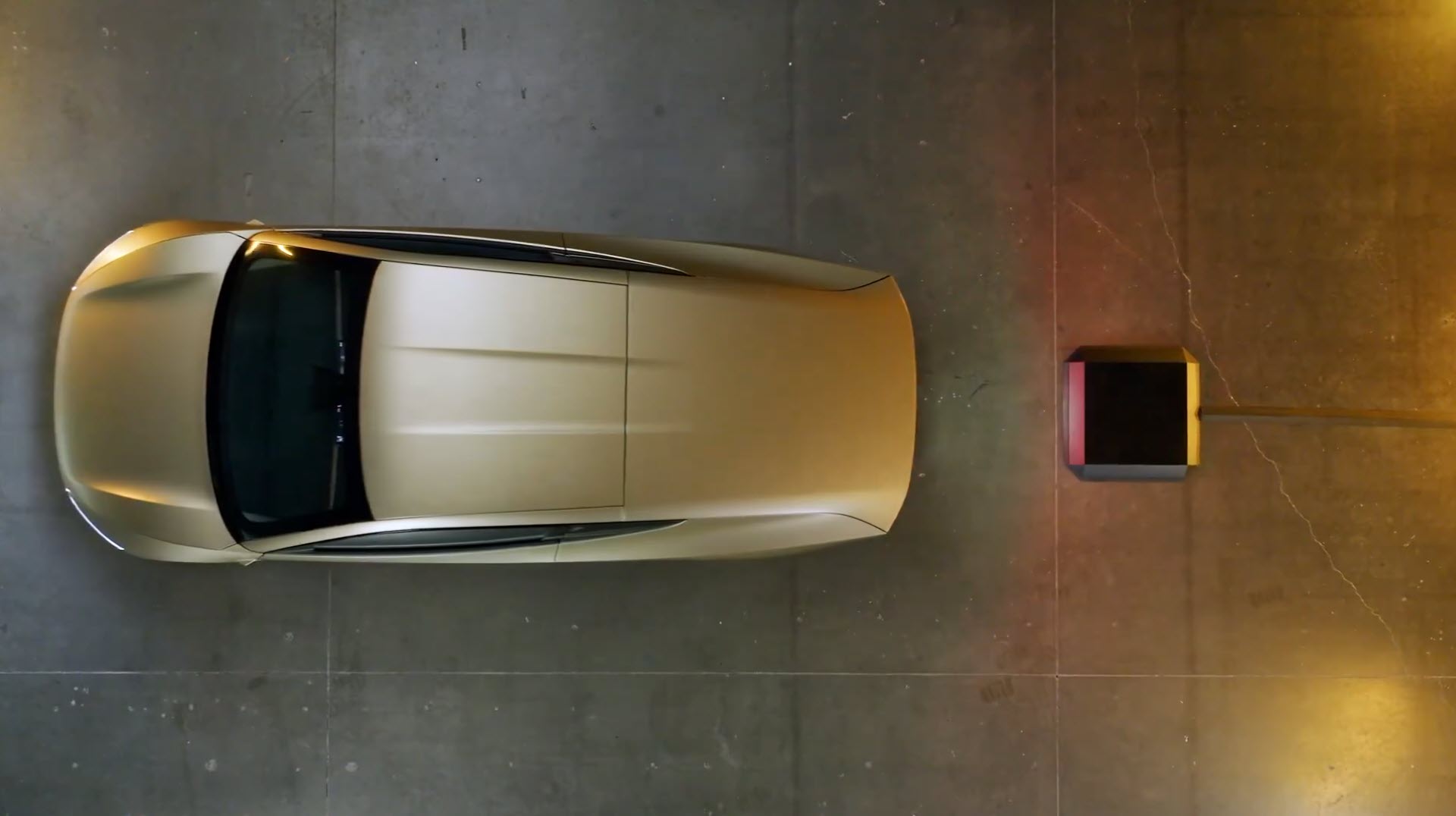
TL;DR: Tesla’s Cybercab just got a big thumbs up from the FCC, granting them a waiver to deploy Ultra-Wideband (UWB) radio technology for wireless charging. This means a future where your autonomous Tesla can roll up, charge itself, and get back on the road without anyone lifting a finger – crucial for that robotaxi dream, baby!
Meta: Tesla just got the FCC's blessing to use Ultra-Wideband (UWB) technology for its Cybercab's wireless charging system, a major step toward fully autonomous charging for future robotaxis and EVs.
Alright, let’s talk about living that easy life, no strings attached, literally. Tesla just cleared a major hurdle for its upcoming Cybercab and future EVs, getting a big ol' 'yes' from the Federal Communications Commission (FCC). What's the fuss about? They got a waiver to use Ultra-Wideband (UWB) radio technology in their wireless charging system. Now, if that sounds like a mouthful, just know this: it means your Tesla won't need you to plug it in anymore. It’s gonna charge itself, smooth as silk.
How This Wireless Wizardry Works
See, the FCC usually has rules about UWB devices being handheld or not mounted on outdoor fixed infrastructure. But Tesla's playing a different game. Their system uses ground-mounted wireless charging pads, flush with the surface, that can even operate outdoors. The UWB signals are like a high-tech GPS, guiding the vehicle into the perfect position over the pad for charging. It's not always on, though; the car first sniffs out the pad with Bluetooth Low Energy (BLE), and only then does the UWB kick in for a super-quick, super-precise alignment – usually under 150 milliseconds. Once it's locked and loaded, the UWB shuts down. Efficient, right?
The FCC wasn't just handing out free passes, though. They gave the green light because Tesla’s system is all about short-range, low-power, one-to-one communication, not some wide-area network. Plus, it operates within strict frequency bands and respects all power limits. They even added safeguards: UWB only activates after Bluetooth connects, it shuts down when positioning is done, and there are notification requirements for commercial setups near sensitive federal sites. They crossed their T's and dotted their I's, so we can all get to charging wirelessly.
What’s Next: The Robotaxi Dream Gets Real
For Tesla, this isn't just a fancy feature; it's a critical piece of the puzzle for its robotaxi vision. Imagine a Cybercab, no pedals, no steering wheel, just rolling around, picking people up, dropping 'em off, and then silently gliding over to a wireless pad to refuel its electrons. Fully automated charging is non-negotiable for a fleet of self-driving vehicles, especially if they're gonna operate at scale. This FCC approval means Tesla can now push forward with commercial wireless charging deployments, from your home garage to public and fleet facilities. It’s a bold step into a future where charging is as effortless as ordering a ride.
What’s Next: Keep an eye out for more developments on Tesla’s Cybercab project. With regulatory approvals like this, the path to a fully autonomous, wirelessly charging robotaxi future just got a whole lot clearer. The next challenge will be scaling this technology and making it as reliable as a punchline from yours truly.
It’s like magic, but with more science! And less rabbits. Much less rabbits. Believe that!
Previous
Tesla's Lunar Silver Rides Off Into the Sunset as Model S & X Production Nears End
Next
Neuralink Sparks a Brain-Computer Interface Gold Rush in China

Eddie W
Author
Need an OG image?
Share this story to automatically generate an image via /api/og.
Comments
Join the discussion below.