

Analysis
Toyota Teams Up with Big Oil for Solid-State Battery Revolution!
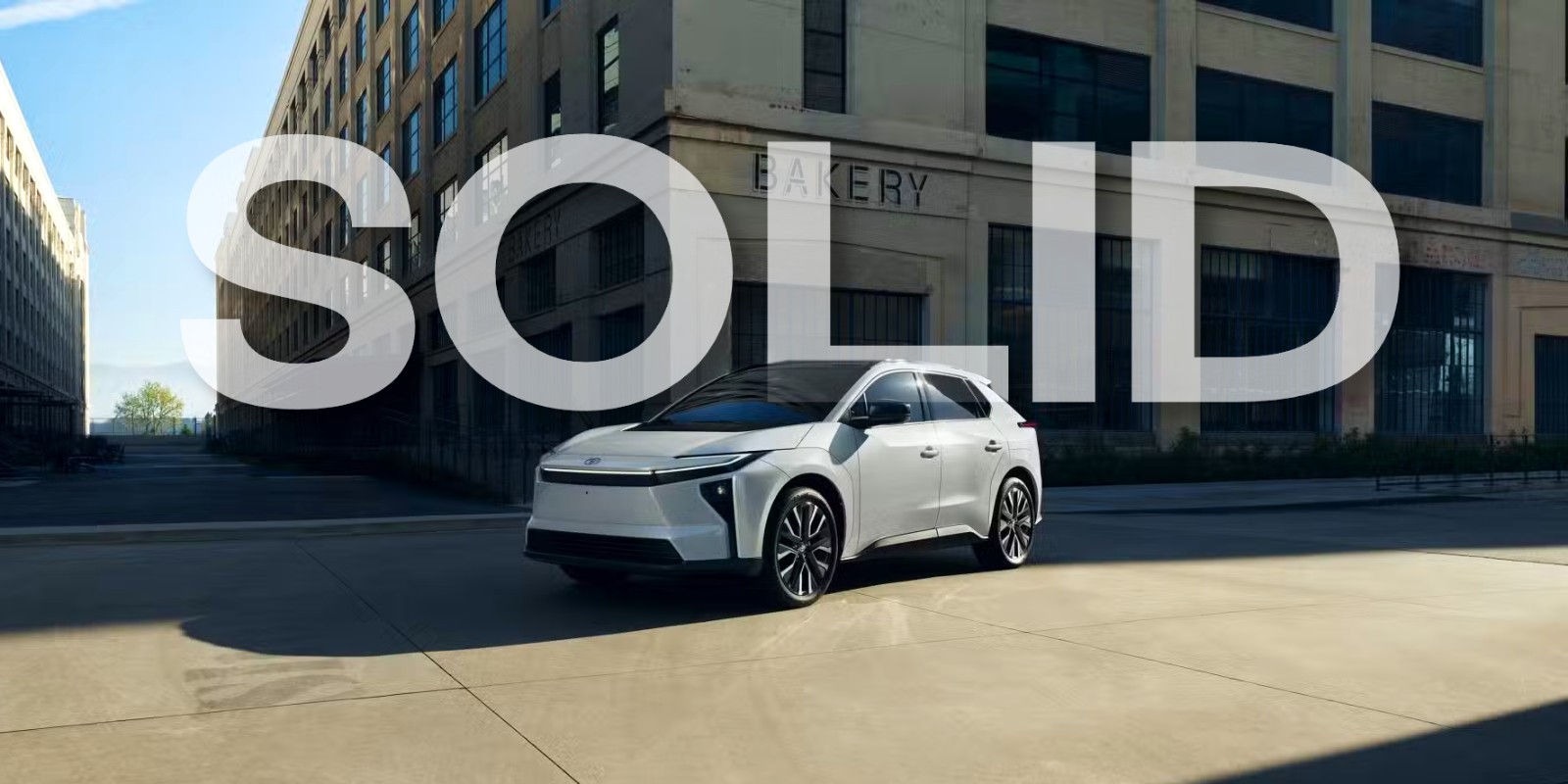
TL;DR: Toyota's making a big play in the solid-state battery race, teaming up with Japanese oil giant Idemitsu Kosan to build a factory for solid electrolytes. They're turning sulfur, an oil byproduct, into high-margin battery material, aiming for 620-mile range and 10-minute charging by 2027.
Meta: Toyota and Japanese oil refiner Idemitsu Kosan are moving forward with a new factory to mass-produce solid electrolytes for solid-state EV batteries, leveraging oil byproducts.
Alright, folks, some partnerships just make you scratch your head and then say, "Well, I'll be!" Toyota, a company that's been famously... deliberate... about its all-electric future, is now teaming up with a Japanese oil refining giant, Idemitsu Kosan, to win the solid-state battery race. That's right, "Big Oil" betting big on the future of EVs! They're not just kicking tires; they're building a whole new factory to produce solid electrolytes for these next-gen batteries.
From Byproduct to Breakthrough
Now, why would an oil company get into EV batteries, you ask? Simple, baby: sulfur. Idemitsu Kosan sits on massive streams of sulfur, a byproduct of fuel desulfurization. And guess what? This low-value sulfur can be converted into high-margin lithium sulfide, a key ingredient for sulfide solid electrolytes. It's like finding gold in your trash! Idemitsu Kosan CEO Shunichi Kito put it perfectly: "They are byproducts of improving petroleum products... This solid electrolyte is about to open up a new future for mobility." They discovered the usefulness of sulfur components back in the mid-1990s, and now, it's their ticket to the EV party.
Toyota and Idemitsu Kosan have been working on this since 2023, focusing on these sulfide solid electrolytes because they're soft and sticky, making them perfect for mass production. Their original roadmap promised a 1,000 km (about 620 miles) range and 10-80% charging in just 10 minutes by 2027-28. And this new factory? It means they're right on schedule, aiming to produce "several hundred metric tons" of this magic material per year. Toyota's also roping in Sumitomo Metal Mining to lock down high-performance cathode materials. They're assembling their Voltron, piece by piece.
Toyota's Long Game is Strong
My uncle Jojo used to say, "Toyota don't lose the long games." They've been slow and steady on BEVs, pumping the brakes while others sped ahead. But when they decide it's time to floor it, they go all in. This move with Idemitsu Kosan isn't just about a new battery; it's about securing a supply chain for a critical component, leveraging an unexpected resource, and potentially transforming a waste product into a cornerstone of the EV future. It's a strategic chess move that could pay off big time.
This isn't just a win for Toyota; it's a fascinating peek into how traditional industries are adapting (or being forced to adapt) to the clean energy transition. Who knew the future of EV batteries might involve a little help from the very industry we're trying to move beyond? It's a reminder that innovation often comes from unexpected places and unexpected partnerships.
What’s Next
Keep a close watch on the progress of this new factory and the timeline for Toyota's solid-state battery deployment. If they hit their targets, especially that 10-minute charge time and 620-mile range, it could be a seismic shift in the EV market. This partnership could also spur other traditional industries to look at their byproducts as potential goldmines for clean tech.
So, while everyone else is still arguing about gas prices, Toyota's out here making batteries with oil companies. That's a plot twist, baby! You got that right.
Previous
US Clean Energy: The $35 Billion Black Hole of 2025 – What Went Wrong?
Next
BYD's Solid-State Battery Breakthrough: Powering Up the Future by 2027!

Eddie W
Author
Need an OG image?
Share this story to automatically generate an image via /api/og.
Comments
Join the discussion below.