

Analysis
China Says 'No Flush!' to Tesla-Style Door Handles – Safety First, Aerodynamics Second!
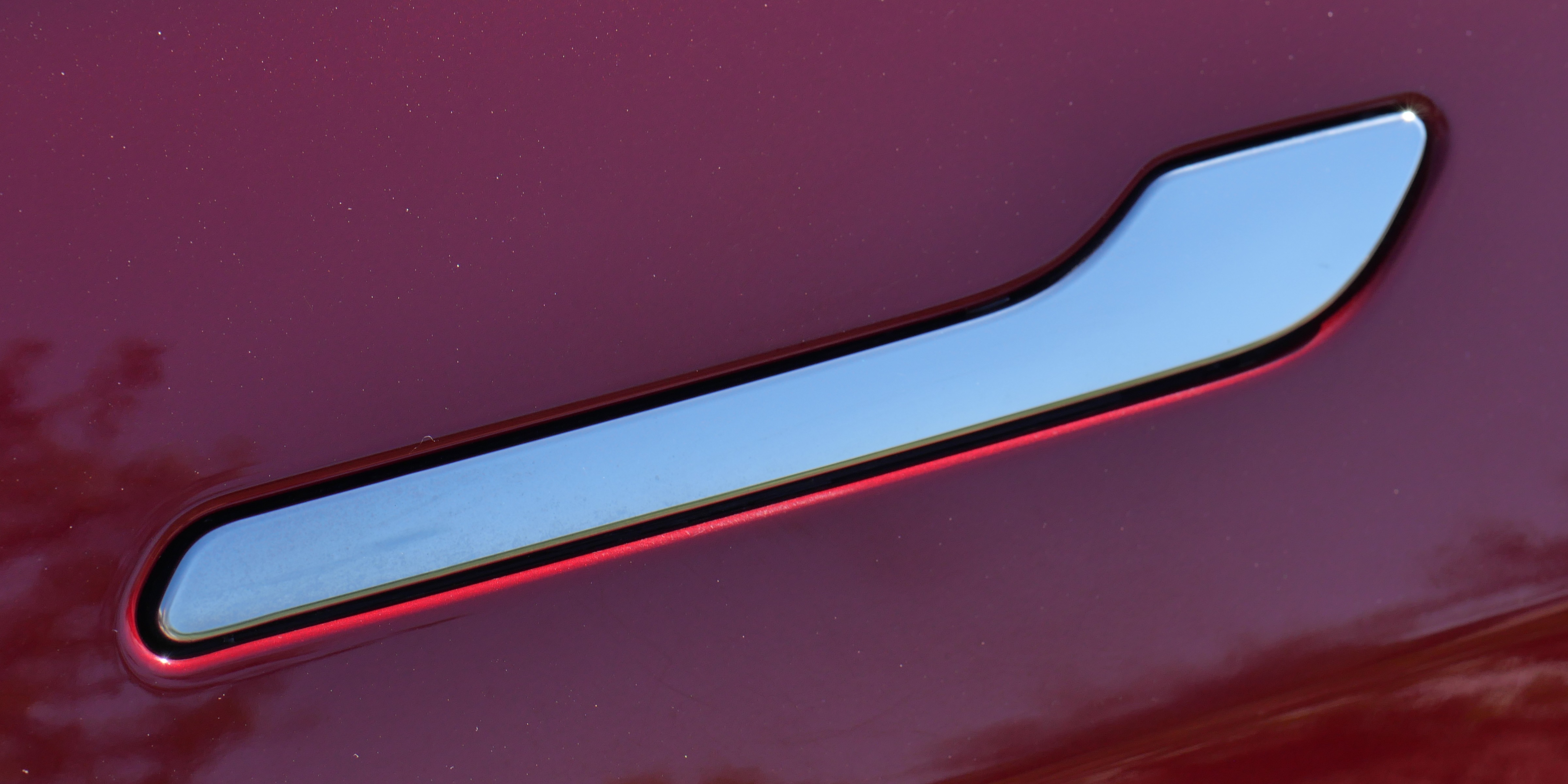
TL;DR: China just put the hammer down on flush, hidden EV door handles, banning the Tesla-style design effective January 2027. This world-first safety policy demands mechanical releases and visible handholds, prioritizing emergency access over sleek aerodynamics. Automakers have until 2029 to comply, a move that could reshape global car design.
Meta: China has finalized a ban on flush, hidden EV door handles, a design popularized by Tesla, effective January 2027, prioritizing safety and emergency access.
Alright, alright, settle down, settle down! China just dropped a regulatory bomb that's gonna send car designers back to the drawing board, especially those who've been copying Tesla's homework. The Middle Kingdom has officially banned flush, hidden door handles on electric vehicles, a design trend that's been all the rage for its sleek looks and minor aerodynamic gains. You know the ones – they hide away until you need 'em, making your car look like a smooth, futuristic pebble. But come January 1, 2027, China says 'No flush!' It's all about safety, baby!
This ain't just a style critique; it's a response to serious concerns. We've seen high-profile accidents where occupants, and even first responders, struggled to open doors when a car's electronics failed. Remember those tragic incidents, like the one involving a Cybertruck where teens couldn't escape? Or the Xiaomi EVs where power failures reportedly trapped passengers? Yeah, that stuff leaves a mark, and not just on the cars. Regulators in the U.S. (NHTSA) and Congress are already looking into it, with calls for a 'SAFE Exit Act.' China just decided to get ahead of the curve and make it official.
Mechanical Releases and Visible Grips: The New Normal
So, what's the new rule? Cars sold in China will need exterior and interior handles with mechanical releases. No more guessing games in a crisis. Plus, the exterior handles must have a recessed space big enough for a hand to grasp (we're talking 60 mm × 20 mm × 25 mm – don't ask me to convert that on the fly, I'm a comedian, not a mathematician!). And for the interior, those tricky buttons need clear markings. It's like they heard every frustrated Model 3 owner who had to explain to their passenger how to open the door. Tesla's design chief, Franz von Holzhausen, even admitted they'd tweak their interior handles. Volvo's doing it too. It's a sign that the industry is realizing that sometimes, simple works best.
This ban will impact a lot of popular EVs in China, including Tesla and Xiaomi's SU7, which have made flush handles a signature. Automakers have a grace period until 2029 for models already approved, but everyone's going to be scrambling to redesign. And here's the kicker: because China is such a massive and influential market, these new regulations could very well push global automotive safety standards in the same direction. It's often said that regulations are written in blood, and this one seems to be no different.
What's Next?
Expect to see a subtle, but significant, shift in EV design worldwide. While some might lament the loss of sleek aesthetics, the push for enhanced safety and accessibility is a welcome change. This isn't just about saving lives; it's about making EVs more user-friendly and less intimidating in emergencies. It also highlights China's growing influence in setting automotive standards, not just in production, but in design and safety. So, next time you hop in an EV, appreciate that good ol' handle – it might just save your bacon.
Alright, I'm out! Go on, try to open that car door; you know I'm just playin'!
Previous
Tesla Insurance Hits a Speed Bump: Georgia Application Withdrawn!
Next
Toyota Teases Three-Row Electric SUV: Is the Highlander EV Finally Here?

Eddie W
Author
Need an OG image?
Share this story to automatically generate an image via /api/og.
Comments
Join the discussion below.