

Analysis
Quantum Leap for Clean Energy? IBM's Nighthawk Processor Takes Aim at Decarbonization
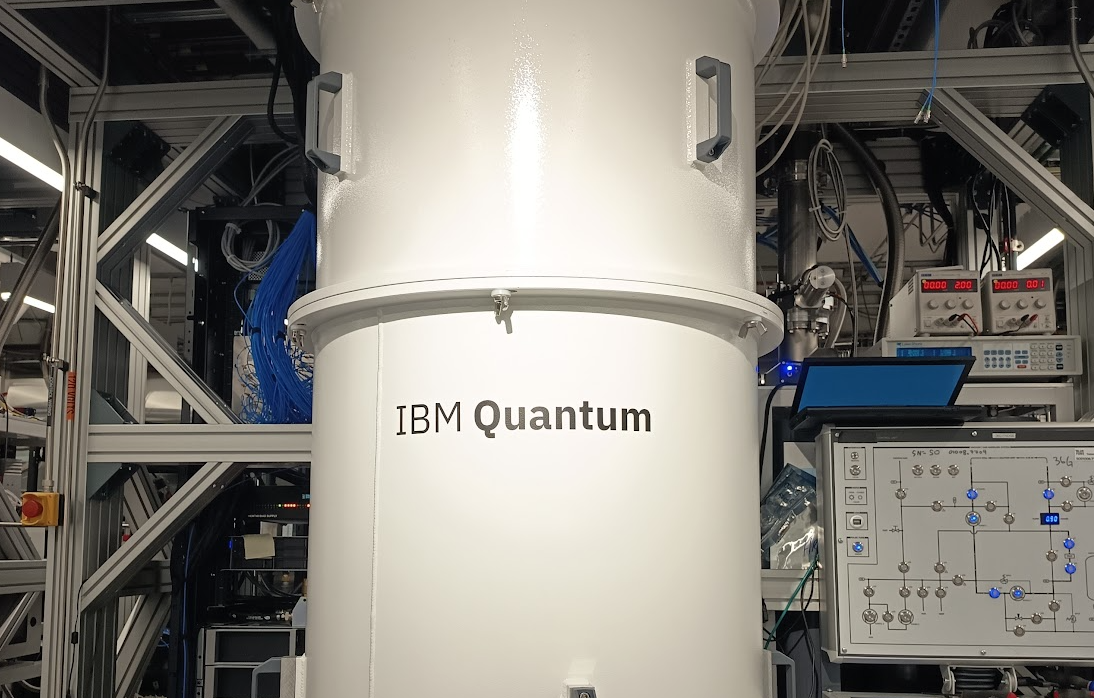
TL;DR: IBM just unveiled its Nighthawk quantum processor, a 120-qubit system designed to tackle complex clean energy challenges like material science for batteries, nuclear modeling, and catalyst discovery. This ain't just theoretical; it's a serious push beyond lab demonstrations towards real-world decarbonization. It's like they're giving Mother Nature a supercomputer upgrade!
Meta: IBM's Nighthawk quantum processor, a 120-qubit system, is set to accelerate clean energy R&D with advanced computing.
Alright, listen up, because this ain't your mama's desktop computer we're talking about. We're stepping into the future, where bits ain't bits, they're qubits, and things get weird – in a good way for clean energy, that is! IBM just dropped some serious tech with their new Nighthawk quantum processor. Now, I know "quantum computing" sounds like something out of a sci-fi movie, but these folks are actually making it work.
Nighthawk ain't just about showing off; it's a 120-qubit system designed to scale depth, not just count. That means it's built for those deep, complex calculations that make regular supercomputers throw up their hands. Paired with their Loon chip, which is all about isolating errors, IBM's trying to make quantum useful, not just a parlor trick. They're talkin' about hitting 1,000 logical qubits by 2028, tightly integrated with classic computing. It's a hybrid approach, admitting quantum won't replace everything, but it'll seriously augment where classical systems hit a brick wall.
Where Quantum Meets Green
So, what's this mean for clean energy, you ask? A whole lot, actually. Think about it: materials science, electrochemistry, nuclear modeling – these are hardcore problems that conventional computers struggle with. Nighthawk is designed to dive into that complexity. For photovoltaics, it could model how materials degrade under different climate conditions, helping us design better, more durable solar panels. For nuclear energy, it could simulate neutron interactions at levels we can only dream of now, potentially making reactors safer and fusion research less... speculative.
Then you got fuel cells and electrolyzers, baby! Catalyst discovery, optimizing electrolytes, membrane stability – these are fundamentally quantum-mechanical problems. If Nighthawk can help reduce the amount of platinum needed in a fuel cell or extend its lifespan, that's real money saved and a real boost for green hydrogen. BMW's already playing in this sandbox, using IBM's quantum tools for supply-chain optimization and fuel-cell modeling. Airbus is using 'em for hydrogen aircraft research. Even ExxonMobil's reportedly looking at carbon capture modeling. Everyone's trying to get a piece of that quantum pie.
The Sober Truth & The Future
Now, let's keep it real. Quantum computing ain't gonna solve climate change overnight. And it ain't replacing your everyday laptop anytime soon. Error rates are still a hurdle, and most clean-tech companies don't have a team of quantum physicists on staff. IBM knows this, which is why they're pushing Qiskit and expanding their Quantum Network, trying to build an ecosystem of developers before the hardware is fully mature.
But if IBM's roadmap holds, this Nighthawk could seriously shorten R&D timelines for critical clean energy technologies. Faster iteration in chemistry and materials science? That could unlock cost declines and efficiencies that policy alone can't force. It's about moving from "we think it's possible" to "we know how to build it better, faster, stronger." This ain't just about a bigger computer; it's about a bigger brain to tackle Earth's biggest problems.
What's Next
Keep an eye on IBM's Quantum Network and the availability of Nighthawk systems for select users by late 2025. The real test will be the early demonstrations of "quantum advantage" – those specific, narrow wins where quantum truly outperforms classical systems. If these breakthroughs deliver tangible improvements in battery life, catalyst efficiency, or material durability, we could see a rapid acceleration in cleantech innovation, even if it feels like magic to the rest of us.
So, while the rest of us are still trying to figure out how to reset our Wi-Fi, IBM's out here trying to figure out the universe. And that, my friends, is a beautiful thing. Shazam!
Previous
City Harvest Delivers Fresh Air: Volvo Electric Semis Hit the Bronx Streets!
Next
Ditching the Peaks: New "No-Mountain" Pumped Hydro System Promises Energy Storage Anywhere

Eddie W
Author
Need an OG image?
Share this story to automatically generate an image via /api/og.
Comments
Join the discussion below.