

Analysis
California's Breathing Easy: New Study Proves EVs Are Cleaning Up Urban Air, One Mile at a Time
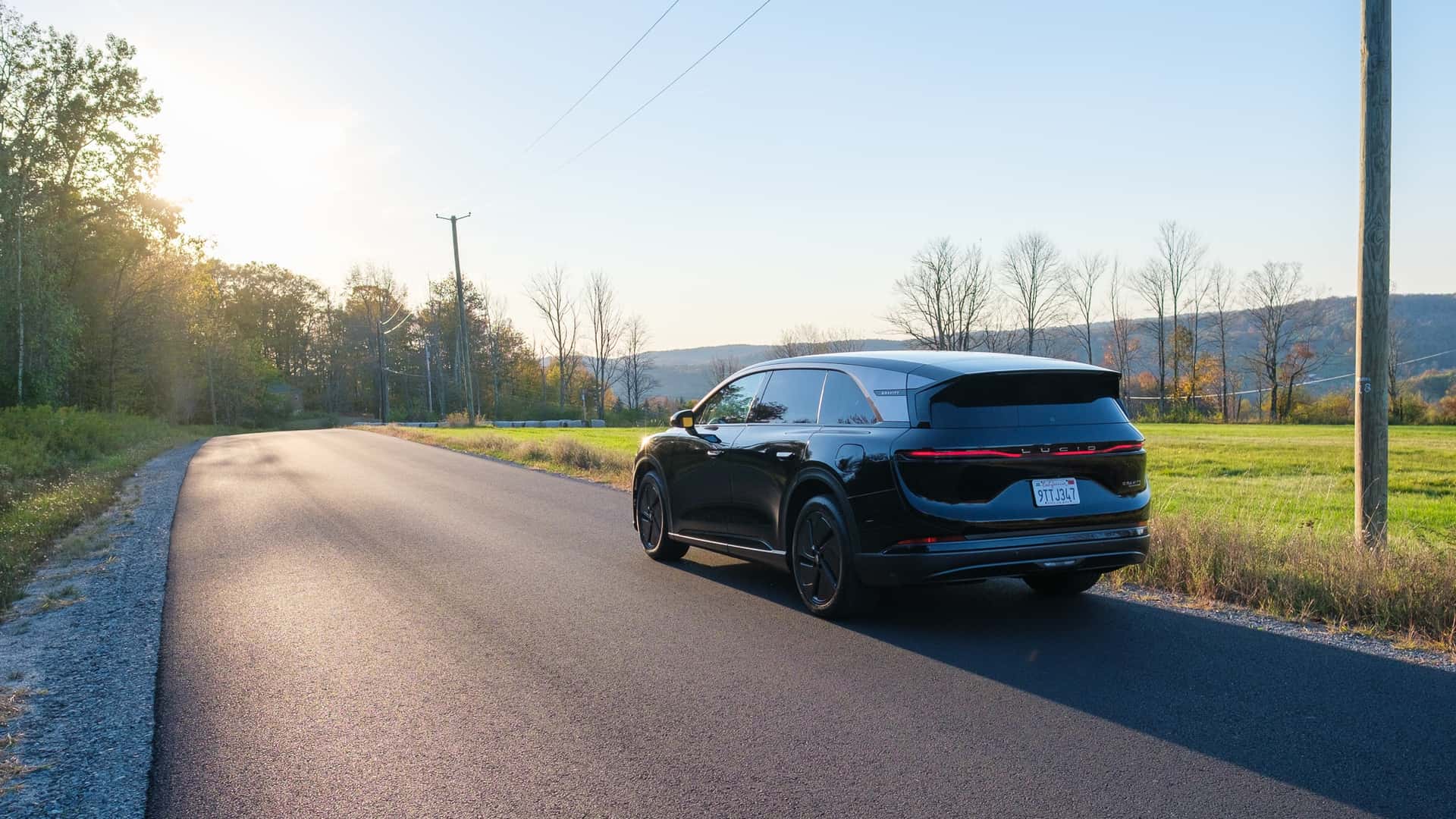
TL;DR: A new study from the University of Southern California, using satellite data, definitively proves that as more zero-emission vehicles hit California's roads, urban air quality improves, with a clear reduction in harmful nitrogen dioxide (NO2) levels. Turns out, EVs aren't just quiet, they're cleaning up the block, one mile at a time!
Meta: A new study confirms zero-emission vehicles are significantly reducing urban nitrogen dioxide (NO2) levels in California.
Alright, listen up! For years, we've been hearing all this talk about electric cars being better for the environment, zero tailpipe emissions and all that jazz. But sometimes, you need the hard proof, the undeniable evidence, to really make the case stick. Well, folks, science just delivered! A new study from the University of Southern California's Keck School of Medicine just dropped the mic, proving what many of us suspected: EVs are quietly, but powerfully, cleaning up the air in our cities.
These clever researchers used high-resolution satellite data from something called the Tropospheric Monitoring Instrument (TROPOMI) – sounds fancy, right? – to track nitrogen dioxide (NO2) levels in California neighborhoods between 2019 and 2023. NO2, for those who don't know, is that nasty stuff that comes out of burning fossil fuels, the kind that messes with your lungs, triggers asthma, and can lead to heart disease. It's the silent killer lurking in city air, and it's no joke.
The Data Don't Lie
They cross-referenced that satellite data with vehicle registration info from the state's Department of Motor Vehicles, specifically looking at how many zero-emission vehicles (ZEVs) – that's EVs, plug-in hybrids, and fuel-cell cars – were in each neighborhood. And the results? Clear as a bell! For every 200 ZEVs added to a neighborhood, NO2 levels dropped by 1.1%. The more EVs, the less NO2. It's a direct correlation, plain as day. Over the study period, ZEVs jumped from 2% to 5% of all light-duty vehicles in California, leading to a measurable difference.
"These findings show that cleaner air isn't just a theory–it's already happening in communities across California," said Sandrah Eckel, the study’s lead author. She's saying what we've been wanting to hear: this isn't some far-off promise; it's happening now. They even took extra steps to make sure their results were solid, excluding 2020 data to account for the pandemic's impact and confirming that neighborhoods with more gas cars actually saw an increase in pollution. Plus, the satellite data matched up with ground-level monitors. That's what you call triple-checking, baby!
A Breath of Fresh Air for Public Health
This study is huge. It moves beyond theoretical models and gives us real-world, scientific proof that investing in electric vehicles directly translates to better public health, especially in those crowded urban areas where tailpipe emissions linger and cause the most harm. It's not just about flashy cars or saving a few bucks at the pump; it's about the air your kids breathe, the health of your neighbors, and the overall quality of life in our cities.
As more and more EVs hit the road, the positive impact on air quality is only going to grow. This isn't just good news for California; it's a blueprint for cities and countries worldwide. It shows that the transition to electric is not just an environmental imperative, but a public health triumph. And that, my friends, is something worth shouting about from the rooftops – without fear of inhaling dirty air!
What's Next
This robust data provides strong backing for policies that encourage EV adoption and could influence urban planning strategies, especially in dense metropolitan areas. Expect to see similar studies emerge from other regions as EV market share continues to grow globally. The focus will likely shift to quantifying the long-term health benefits and economic savings associated with improved air quality, further solidifying the case for a rapid transition to zero-emission transportation.
So, next time someone asks you about EVs, tell 'em they're not just moving, they're cleaning! And that's no joke, that's just science. Get outta here!
Previous
Charge Like a Madman? CATL Claims Its New Batteries Laugh in the Face of Fast Charging!
Next
Tesla Unleashes 'New' Model Y AWD, Drops 'Standard' Tag – More Choices, Less Confusion?

Eddie W
Author
Need an OG image?
Share this story to automatically generate an image via /api/og.
Comments
Join the discussion below.