

Analysis
Storm Fern's Reality Check: It Wasn't Wind or Solar That Sank the Grid, Folks!
TL;DR: Winter Storm Fern knocked out power for millions, and while some folks were quick to point fingers at wind and solar, the real data tells a different story. Turns out, it was mostly our good old distribution networks and some icy fossil fuel issues that left people in the dark. Don't believe the hype, believe the facts!
Meta: During Winter Storm Fern, millions lost power, but analysis shows the culprit wasn't wind or solar, but rather failures in distribution networks and thermal generation's fuel supply.
The Real Culprit Behind the Blackouts
Alright, alright, settle down, because when Winter Storm Fern hit, it sent millions into the dark, and just like clockwork, the blame game started. "It's the wind! It's the solar!" cried some. But hold on a minute, because Leah Qusba, CEO of GoodPower, a straight shooter on clean energy, ain't having none of that. She broke it down for us, and guess what? The real boogeyman usually ain't the renewables.
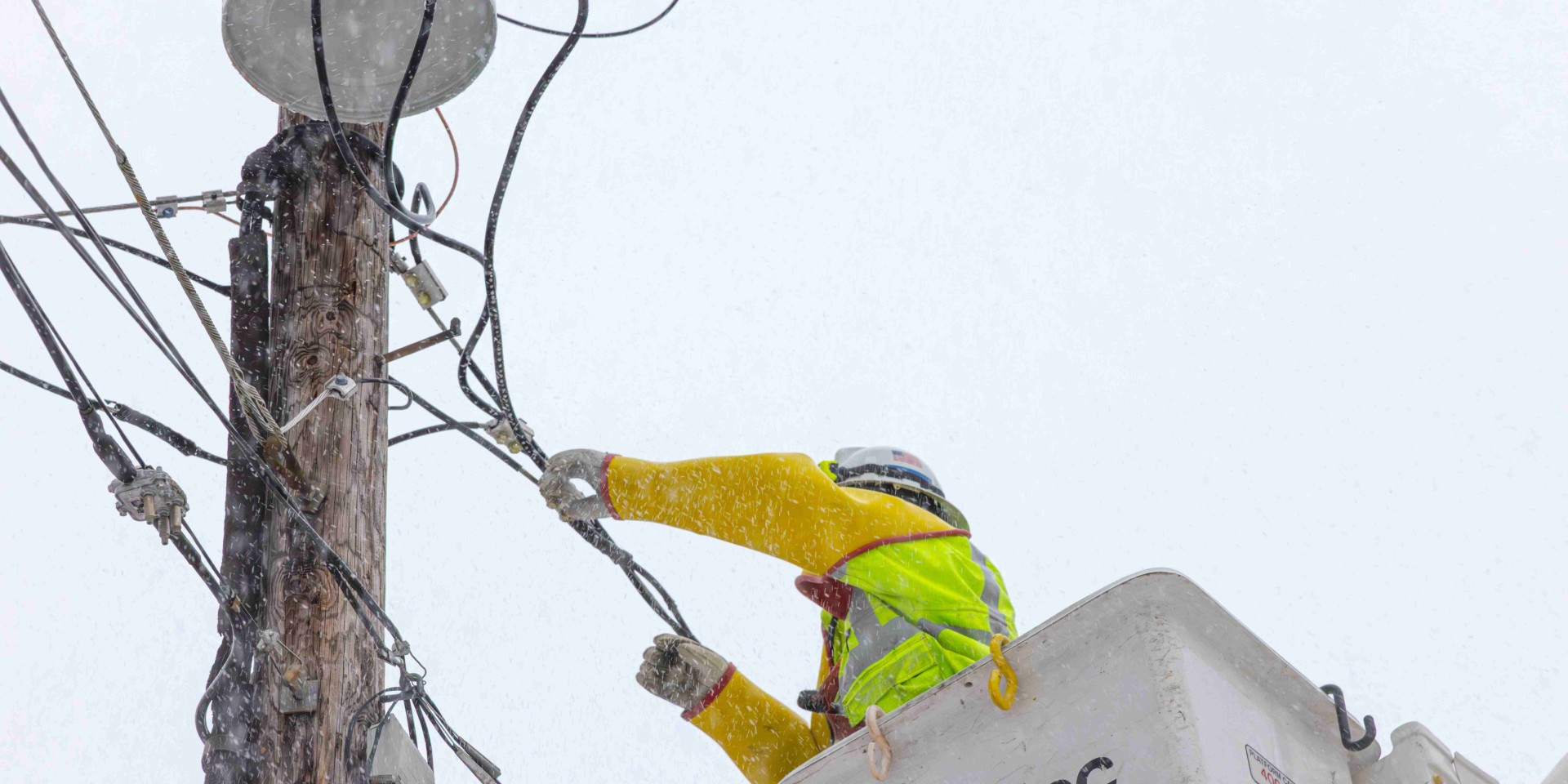
She said it's almost always the distribution network that goes first, followed by generation. Think about it: those local power poles, transformers, and lines are out there, naked and exposed to ice, high winds, and falling trees. During Fern, freezing rain coated everything, snapping cables and bringing down branches. It's like trying to keep a garden hose working in a hurricane – tough job! Transmission lines are usually tougher, and big generators are built to handle the cold. So, when your lights go out, it's probably those local wires, not some grand failure of a wind turbine.
Fossil Fuels Got Frostbite Too
Now, about those generators that did struggle? Often, they were the thermal plants. We're talking natural gas lines freezing up, cooling water intakes turning to ice, and coal piles getting so cold they practically hibernated. While some folks love to rag on frozen wind turbines, modern ones often come with cold-weather packages, heaters and special coatings, so they can keep spinning even when it's colder than a polar bear's toenails. Wind output was actually strong during Fern, and solar? Well, it just follows the sun, plain and simple.
Remember Winter Storm Uri? FERC and NERC, those big energy watchdogs, found that inadequate cold-weather prep for thermal generators and their fuel supplies was the real problem. Gas production facilities can freeze up, demand for natural gas skyrockets, and suddenly, those prices go through the roof. It's like trying to light a barbecue when your propane tank's frozen solid. Not happening. The problem was fuel delivery and winterization, not a lack of power generation itself. Diversity in power sources actually helped; wind and solar kept providing juice, and battery storage even acted like shock absorbers when big thermal plants conked out.
What's Next
The takeaway from Storm Fern is clear: we need to invest in hardening our distribution infrastructure and ensuring all our energy sources, especially fossil fuel plants, are properly winterized. Relying on a diverse energy mix, including renewables, actually makes the grid more resilient, not less. We gotta stop letting political hot air obscure the facts. When the lights go out, it's rarely the fault of the sun or the wind; it's usually something a bit more down to Earth.
So next time there's a big storm, don't listen to the loudmouths. Look for the facts. 'Cause the truth, like clean energy, always shines through. And that's the bottom line!
Previous
Texas Chevy Dealer's Wild Ride: Charging $13K Over MSRP for a Four-Year-Old Bolt?!
Next
Minnesota's Chill Solution: Tapping Aquifers for Year-Round Clean Energy!

Eddie W
Author
Need an OG image?
Share this story to automatically generate an image via /api/og.
Comments
Join the discussion below.