

Analysis
The Great E-Bike Swindle: Amazon and UL Sue Chinese Makers Over Fake Safety Certs!
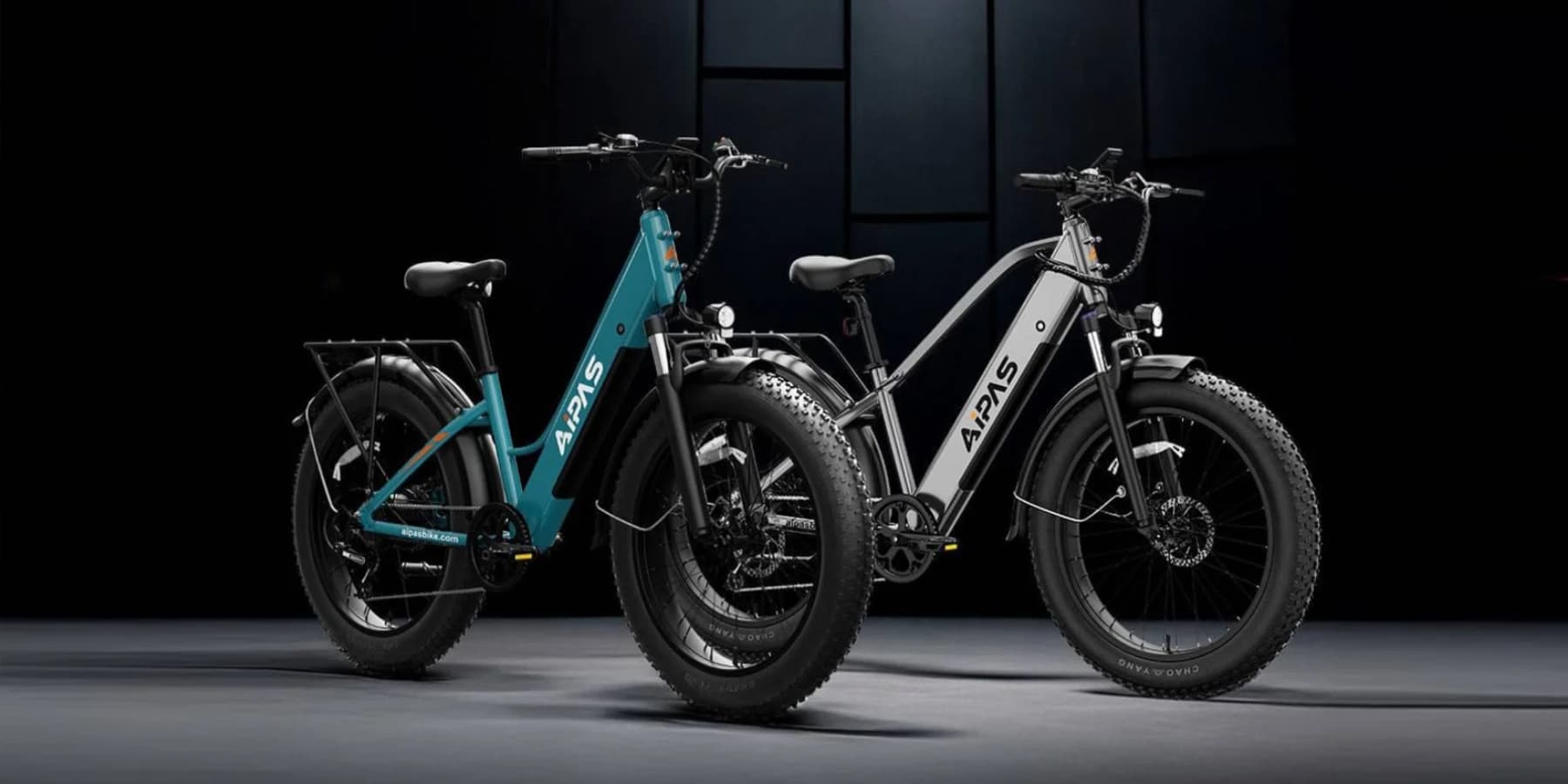
TL;DR: Amazon and UL are dragging several Chinese e-bike and e-scooter manufacturers to court. The charge? Falsely slapping "UL-certified" labels on products that haven't met safety standards, putting riders at risk and undermining trust.
Meta: Amazon and UL have jointly sued multiple Chinese e-bike and e-scooter sellers for allegedly using fake UL trademarks on uncertified products.
Alright, folks, you know how everyone's trying to go green with those electric bikes and scooters? Well, apparently, some bad actors are trying to cut corners faster than a roadrunner on rocket skates. Amazon and safety giant UL just filed a federal lawsuit against several Chinese e-bike and e-scooter sellers, claiming these companies were slapping fake "UL-certified" labels on their products. That's like putting a five-star review on a dish you never even tasted! Dangerous, and just plain dishonest.
Safety First, Folks!
Now, if you're riding an e-bike, you want to know that battery ain't gonna spontaneously combust under your rear end, right? That's where UL certification comes in. Standards like UL 2849 for e-bike electrical systems and UL 2271 for battery packs are crucial, especially after some high-profile lithium-ion battery fires. Cities, landlords, and even insurance companies are demanding these certifications for good reason. They want to know these things are safe. But these defendants, including names like Jiangmen Meijiasheng Bicycle Co. and Shenzhen Aibosi Sport Technology Co., allegedly bypassed all that, marketing their Aipas and A4 brand e-bikes with misleading marks.
The Defendants' Game
The lawsuit, filed in the US District Court for the Western District of Washington, accuses these companies of not only infringing on UL's trademarks but also violating Amazon's seller agreements and just plain misleading consumers. They're seeking damages, and even want the products bearing these fake marks impounded and destroyed. It's a clear message: you can't play fast and loose with folks' safety, especially when you're selling on a platform as big as Amazon. This isn't just about a logo; it's about trust and, you know, not catching fire.
The Fine Print of Certification
Here's a little secret for ya: there's a difference between a product being "certified to UL standards by third-party testing" and actually being "UL-certified." UL is a standards and certification body. You can test to their standards, but only their for-profit arm can give you the official UL trademark. It's a nuance that many consumers might miss, but it's crucial in the legal world. These companies allegedly skipped the whole "getting official approval from UL" part, which is a big no-no. It's like saying you went to medical school just because you watched 'ER' a lot.
What's Next
This lawsuit could set a significant precedent in the booming e-bike market, emphasizing the need for legitimate safety certifications. For consumers, it's a stark reminder to always verify product claims, especially when safety is on the line. For Amazon, it shows they're serious about policing their marketplace, and for the industry, it's a push toward greater accountability. So, next time you're eyeing that shiny new e-bike online, make sure that "UL-certified" sticker ain't just for show. Your safety, and your wallet, might depend on it.
Stay safe out there, and don't get swindled!
Previous
Robotaxi Rodeo: Musk Predicts 2 Million Autonomous Teslas in a Year – Can He Deliver This Time?
Next
Optimus Reality Check: Musk Admits No Useful Work from Robots, Despite Years of Hype!

Eddie W
Author
Need an OG image?
Share this story to automatically generate an image via /api/og.
Comments
Join the discussion below.