

Analysis
Plug-In Hybrids: Is Their Moment Over or Just Changing Lanes?
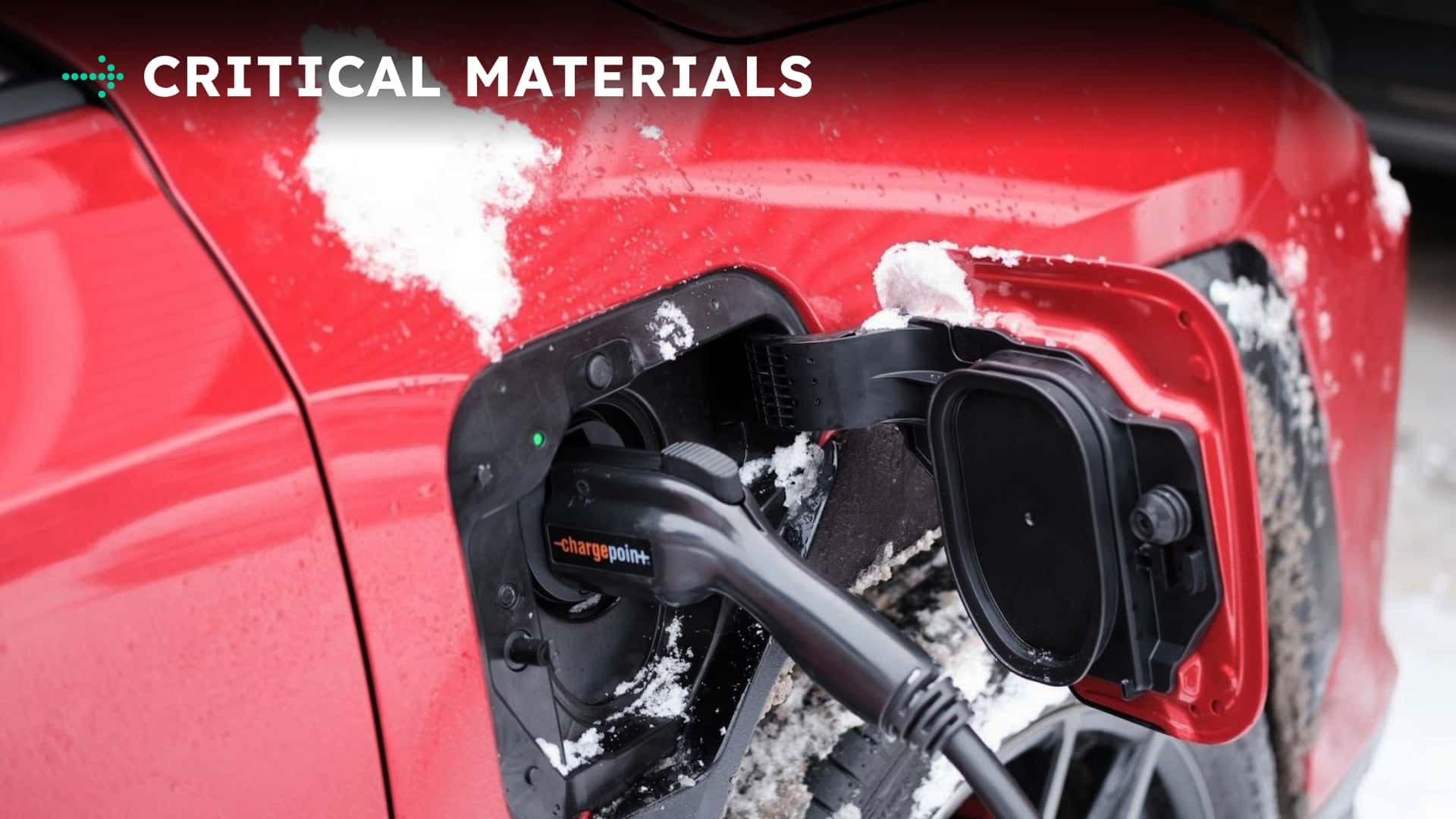
Alright, listen up, folks! We've been talking about EVs, but what about those middle-of-the-roaders, the plug-in hybrids? They're like that friend who can't decide if they want the chicken or the fish, so they order both. You know, you plug 'em in for the short trips, fill 'em with gas for the long haul. Sounds like a good compromise, right? Well, the game is changing, and the case for PHEVs ain't as strong as it used to be. It's like the EV market just got a fresh set of tires, and PHEVs are looking a little…flat.
Here's the deal: EV tax credits vanished for PHEVs last year, and those stricter fuel economy rules that pushed automakers to build 'em? They've softened up. At the same time, we got modern EVs boasting 300-plus miles of range. So, if you're gonna plug in anyway, why not go all the way? This has automakers and analysts scratching their heads, asking, 'Are PHEVs even worth it anymore?' It's a tough crowd out there, especially when consumers are already confused about what a PHEV even is.
The PHEV Predicament
Studies show a lot of drivers just don't plug in their PHEVs, negating many of the benefits. So, they're essentially driving around with a heavier, more complex gas car. Not exactly a win. S&P Global Mobility data shows PHEVs were less than 2% of the new-vehicle market last year. That's a tiny slice of the pie, folks! Without those regulations and incentives pushing them, some automakers are pulling back. Stellantis? Dead on PHEVs. General Motors? Studying the matter, but no immediate plans before 2027. It's like they're saying, 'Nah, we're good.'
But not everyone's giving up the ghost. Toyota and Volvo, they've got higher hopes, especially since PHEVs are a bigger deal in Europe and China. Different strokes for different folks, I guess. Some automakers are even looking at EREVs, or extended-range electric vehicles – basically EVs with a gas engine acting as a generator. But if they couldn't solve the PHEV confusion, how they gonna clear up EREV confusion? That's a puzzle for another day, my friends.
The Full Electric Attraction
So, what's driving this shift? A few things. First, pure EVs are getting better and more affordable, making the 'compromise' of a PHEV less appealing. Second, the incentives aren't there like they used to be, so the financial push is gone. Third, the regulatory landscape is shifting, giving automakers a little more breathing room, and some are choosing to invest elsewhere.
It’s a natural evolution. As battery technology improves and charging infrastructure expands, the need for a 'bridge' technology like PHEVs might diminish. It's not that PHEVs are inherently bad, but their sweet spot in the market seems to be shrinking. For some buyers, they still make sense, offering flexibility without full commitment to an EV. But for the broader market, the appeal is starting to fade.
What's Next
Expect a continued re-evaluation of PHEV strategies by automakers. Some will likely double down on them for specific markets or use cases, while others might abandon them entirely in favor of pure EVs or traditional hybrids. The growth of EREVs could also offer a new twist, but consumer education and acceptance will be key. Ultimately, the market will decide if PHEVs are a stepping stone to an all-electric future or a detour that's becoming less relevant. It's a fascinating time in the auto industry, where every segment is being re-written.
So, are PHEVs fading out, or just getting a makeover? Only time will tell, but it's a dynamic situation, folks! Stay woke, stay charged! You heard it here!
Previous
Toyota Unleashes Two New EVs: Can BZ Woodland and C-HR Electrify the Mainstream?
Next
Cleaner Air Confirmed: Satellites See EVs Clearing the Pollution for Real!

Eddie W
Author
Need an OG image?
Share this story to automatically generate an image via /api/og.
Comments
Join the discussion below.