
Analysis
Hands-Free Coast-to-Coast: Tesla FSD Pulls Off Another Cannonball Coup!
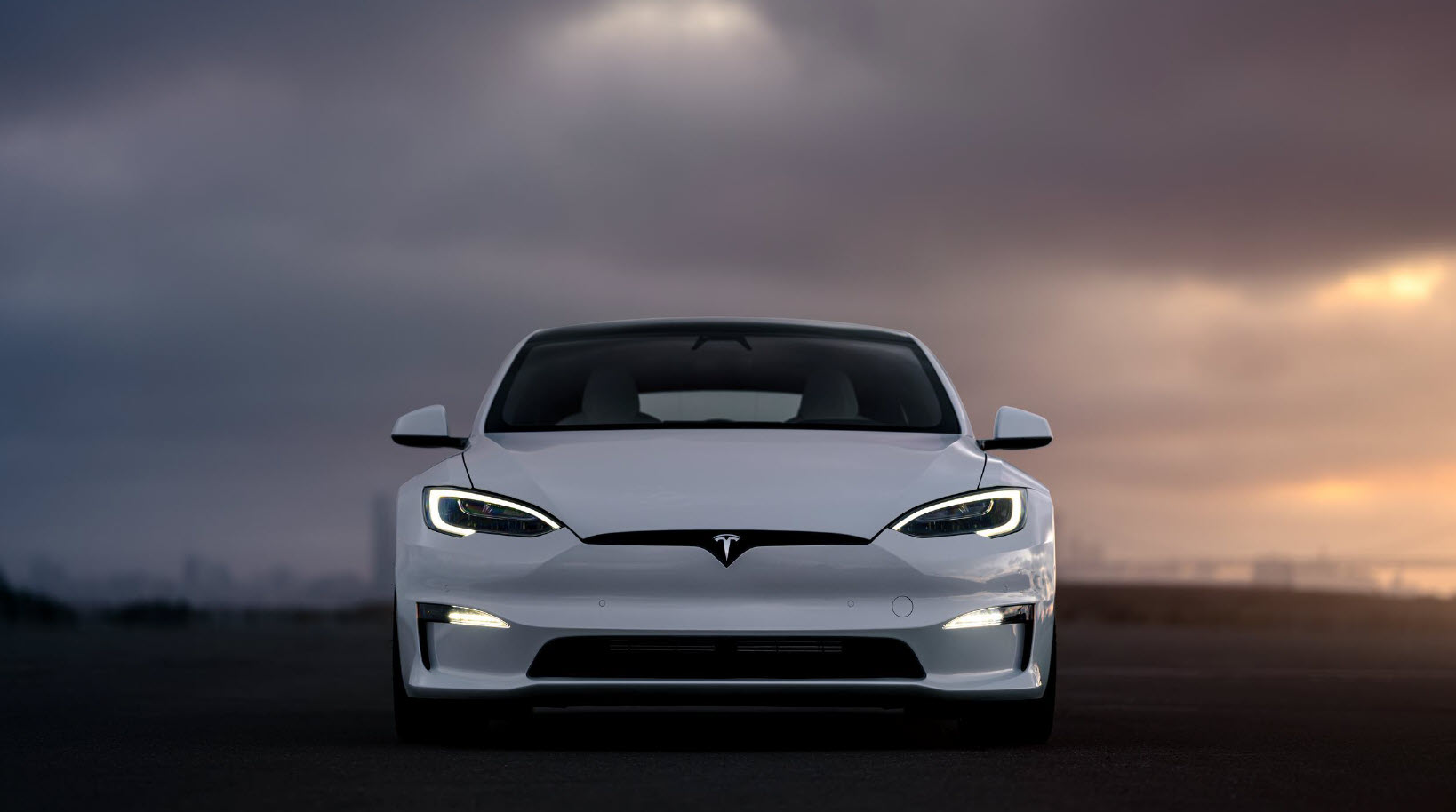
TL;DR: Tesla's Full Self-Driving (FSD) system just pulled off another coast-to-coast, zero-intervention trip from Los Angeles to New York. This 3,081-mile journey, completed in winter conditions, highlights the rapid advancements in Tesla's autonomous software, proving that the future is closer than you think, baby!
Meta: Tesla's FSD takes on winter for a flawless cross-country autonomous drive, showcasing rapid software advancement.
Now, let's talk about a drive that's got everyone buzzing, and it ain't no joyride to the corner store. We're talking a real, honest-to-goodness cross-country trek, from the sunny shores of Los Angeles all the way to the bustling streets of New York City. And the kicker? The Tesla Model S, equipped with FSD, did the whole thing without a single human touching the wheel. That's right, zero interventions, through snow, ice, and everything in between. It's the second time this month, and if you ask me, that's not just driving; that's performing.
This ain't your grandpappy's road trip. We're talking 3,081 miles, over 58 hours, with just ten hours for charging. This wasn't some ideal summer cruise either. They hit the road smack dab in the middle of winter, braving snowstorms, ice, slush, and rain across the Midwest and Northeast. The car was rocking Tesla's latest AI4 hardware and FSD version 14.2.2.3, showing this tech is ready to dance in the toughest conditions.
More Than Just a Drive, It's a Statement
Remember Elon Musk's 2017 promise? "Full autonomy from LA to New York by the end of next year." Well, the timeline might've been a little... 'flexible,' but the goal's been met, folks! This trip isn't just a win; it's a realization of a long-standing, audacious claim. And it's doing it on the legendary Cannonball Run route, a benchmark for endurance and performance. This isn't just about getting from A to B; it's about doing it flawlessly, no matter what Mother Nature throws at you.
Former automotive journalist Alex Roy and his crew were behind this feat, and they weren't messing around. Even when a human error caused a 90-minute detour – leaving a team member at a rest stop, can you believe that? – they let FSD handle the reroute autonomously. That's dedication to the cause! Roy himself took to X, saying, "Elon Musk was right. Once an autonomous vehicle is mature, most human input is error." Preach, brother!
Think about it: an average speed of 64 mph, handling lane changes, navigation, and adverse weather all on its own. This isn't just about convenience; it's about pushing the boundaries of what a car can do. And it opens up a whole new conversation about the role of human drivers in the future.
What’s Next?
This successful run, especially under challenging winter conditions, is a huge feather in Tesla's cap. It bolsters confidence in FSD's capabilities and could accelerate its regulatory approval in various regions. We might see an increased push for FSD subscriptions, and perhaps even wider Robotaxi deployments. The question isn't if autonomous driving will become mainstream, but how fast. The more these systems prove their reliability in diverse, real-world scenarios, the quicker we'll all be kicking back while our cars do the heavy lifting. It's a game-changer, plain and simple.
Alright, time to sit back, relax, and let the car do the work. Don't worry, I'll still tell the jokes, though. That's my job! ```
Previous
South Africa's EV Rollercoaster: BEV Sales Dip, PHEVs Surge in 2025!
Next
Porsche's Electric Speed Bump: EV Sales Dip Despite Record Deliveries in North America!

Eddie W
Author
Need an OG image?
Share this story to automatically generate an image via /api/og.
Comments
Join the discussion below.