Analysis
Lemonade's FSD Insurance: Is Autonomy Finally Getting Its Due, Or Just a Sweet Discount?
TL;DR: Lemonade's throwing down the gauntlet with a 50% insurance discount for Tesla FSD users, claiming AI is twice as safe as humans. Is this the real deal or just a tasty offer to get more folks on board?
Meta: Lemonade's new 'Autonomous Car Insurance' offers a radical 50% discount for Tesla FSD-driven miles, raising questions about the true safety of FSD and the future of insurance for self-driving vehicles.
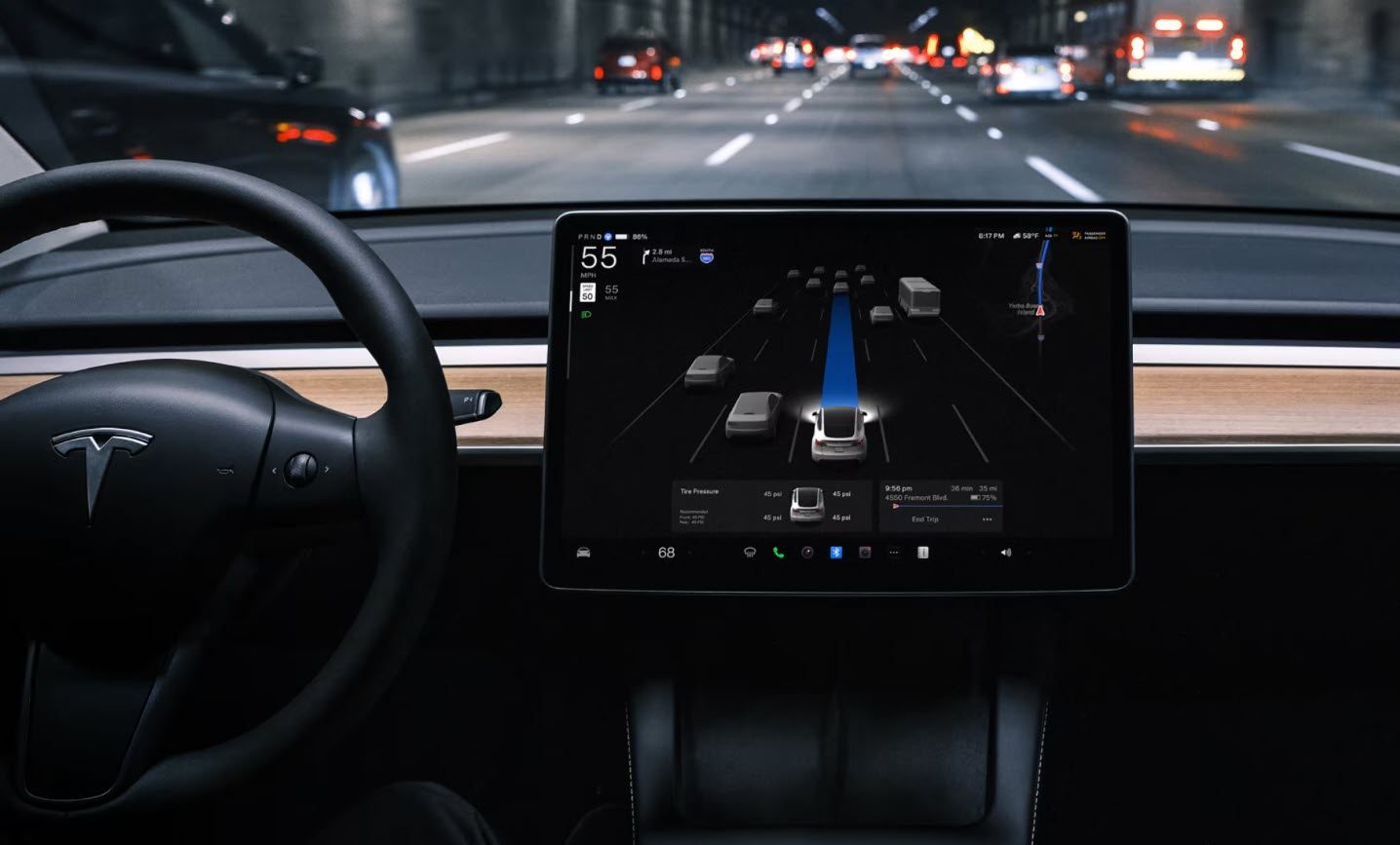
Alright, let me tell you something: when an insurance company starts cutting prices, you know something big is happening. And Lemonade, the digital insurance disruptor, just dropped a bombshell by offering a whopping 50% discount on insurance for miles driven by Tesla's Full Self-Driving (FSD) software. Fifty percent! That’s like getting a two-for-one deal on peace of mind, all because they say FSD is twice as safe as us mere mortals behind the wheel. Now, I've seen some bold claims in my time, but this one's got a swagger to it that demands attention.
This ain't just some random act of kindness, though. Lemonade's co-founder, Shai Wininger, is out here saying their internal data shows Tesla's FSD version 14.2 is "at least 2x safer than human drivers." That's a powerful statement, especially when you consider the ongoing debate about autonomous vehicle safety and the public's trust in AI. They're connecting directly to your Tesla, collecting real-time telemetry data – what version of FSD is running, what the sensors are seeing, the whole nine yards. This ain't your grandma's insurance policy, based on whether you got a speeding ticket in '98. This is data-driven, baby!
Changing the Game, Mile by Mile
Wininger hit the nail on the head when he said, "Traditional insurers treat a Tesla like any other car, and AI like any other driver. But a car that sees 360 degrees, never gets drowsy, and reacts in milliseconds can’t be compared to a human." He's got a point. If the AI is demonstrably safer, why should drivers pay the same premiums? This move by Lemonade isn't just a discount; it's a re-evaluation of risk itself, a fundamental shift in how we think about liability when the car is doing the driving.
The policy, called Lemonade Autonomous Car Insurance, has a three-tier risk model: one for FSD driving, one for human driving with safety features assisting, and even one for when the car's just parked with Sentry Mode engaged. Each gets its own price tag. The safer FSD gets, the lower the prices will go, according to Wininger. That's a commitment that should get every Tesla owner's ears perked up. They're starting this party in Arizona this month, with Oregon joining in February. So, if you're in those states, get ready for some potentially cheaper rates, assuming you let the robots take the wheel.
The Autonomous Future and Its Price Tag
This isn't just about saving a few bucks on your Tesla. This is about validating the safety claims of FSD in a tangible, financial way. For years, Tesla has been pushing the narrative that FSD is safer, but outside, independent verification has been scarce or contentious. An insurance company, literally betting its bottom line on FSD's safety record, could be a powerful indicator. It could push other insurers to develop similar usage-based, AI-driven policies, accelerating the adoption and acceptance of autonomous technology.
However, it also raises questions. What if FSD isn't as safe as advertised, or what if accidents happen in situations FSD isn't designed for? What data is Lemonade using, and how transparent will it be? The industry will be watching closely to see if this bet pays off, not just for Lemonade, but for the entire autonomous driving ecosystem. And with Tesla shifting FSD to a subscription-only model soon, this insurance discount could sweeten the deal for those on the fence.
What’s Next
We'll be keeping a close eye on the rollout in Arizona and Oregon. If Lemonade's model proves viable and truly reduces claims, expect other insurers to jump on this bandwagon quicker than a cat on a hot tin roof. This could force a re-evaluation of autonomous driving liability and accelerate the regulatory framework for self-driving cars. It’s a bold move, and if it works, it could fundamentally change how we insure, and even perceive, autonomous vehicles. The stakes are high, but the potential rewards are even higher – for both drivers and the future of AI on our roads.
Now, if these robots are really that good, maybe I can finally stop paying attention to those pesky speed limits! Just kidding… mostly.
Previous
Seoul Steals Tesla's Heart: South Korea Becomes Giga Shanghai's Top Export Destination
Next
Giga Berlin's Workforce Wobble: Tesla's Growth Ambitions Versus Media Scrutiny

Eddie W
Author
Need an OG image?
Share this story to automatically generate an image via /api/og.
Comments
Join the discussion below.