
Analysis
UL Solutions Drops New Safety Standards for Plug-In Solar: Making Balcony Power Legit!
TL;DR: UL Solutions, those safety gurus, just launched a brand-new testing and certification program (UL 3700) for plug-in solar systems, also known as "balcony solar." This is huge, 'cause it creates a clear safety framework for folks to install and use these systems all across the U.S., makin' clean energy more accessible and less… electrifyin' in a bad way.
Meta: UL Solutions introduced UL 3700, a new testing framework for plug-in solar systems, enhancing safety and supporting wider adoption in the U.S.
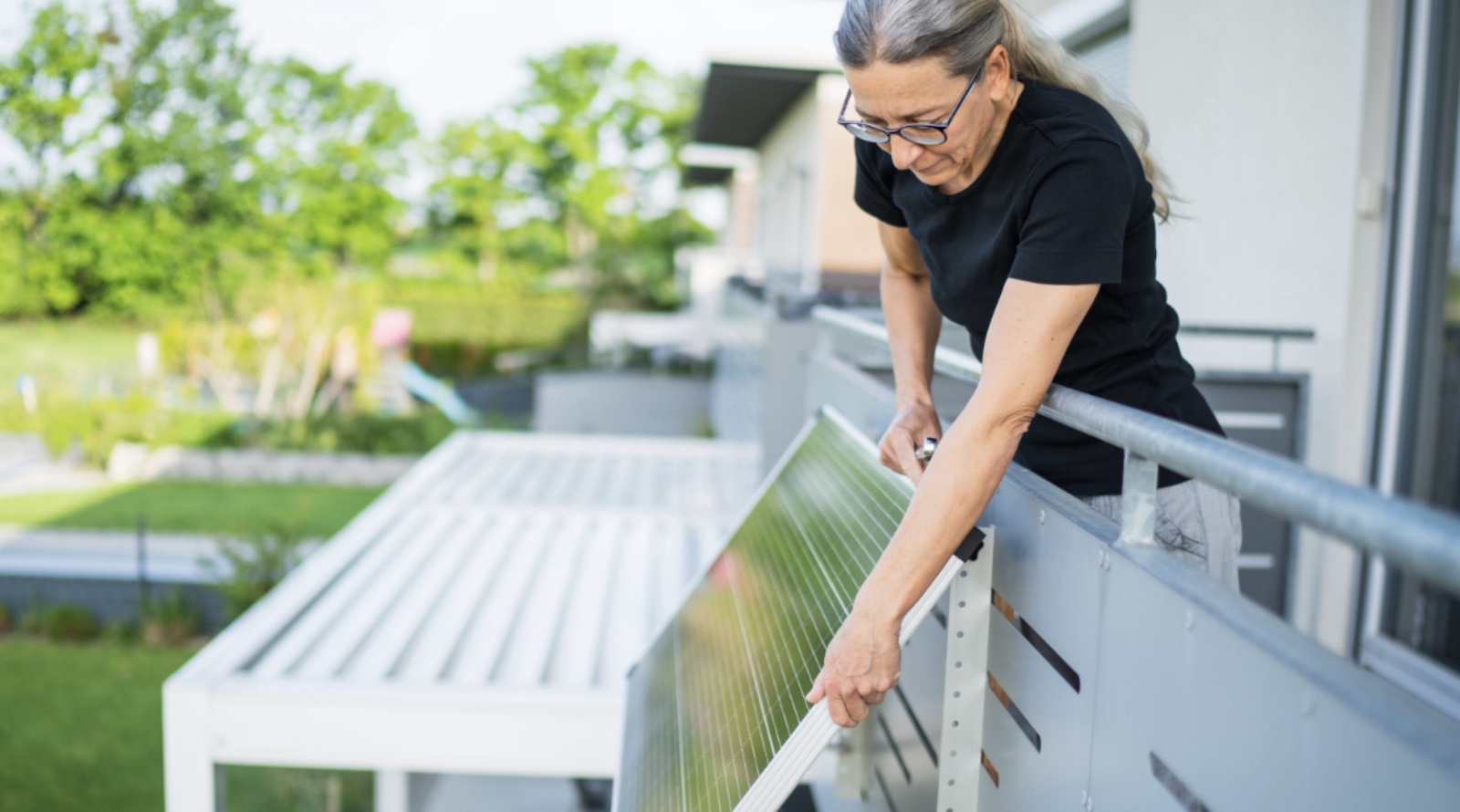
Now, listen up! When it comes to safety, nobody messes around like UL Solutions. And they just dropped a game-changer for all you apartment dwellers and folks who can't slap a whole solar farm on your roof: a dedicated testing and certification program for plug-in solar systems. Yeah, we're talkin' 'bout that "balcony solar" where you just plug a panel into your wall socket. Used to be a bit of the Wild West out there, but UL Solutions is bringin' some law and order to the sunshine game, baby!
This new program is based on UL 3700, which is like the Bible for Interactive Plug-In Photovoltaic Equipment and Systems. It sets the rules for construction, performance, and labeling, givin' manufacturers a clear roadmap to design products that are not just efficient but also safe. Ken Boyce, the big dog at UL Solutions, said it best: "Our new plug-in solar system certification program gives manufacturers and consumers the clarity they need to embrace plug-in solar systems with confidence." It's all about mitigatin' those potential risks and openin' up the door for more people to get in on that sweet, sweet solar power, even if they don't own a mansion with a sprawling rooftop.
Clearing the Cloudy Path for Plug-In Power
Now, traditional solar panels are hardwired, you know, complicated stuff. But these plug-in systems? They're simple! Just plug 'em in and go. But that simplicity can also come with risks, like overloaded circuits or power flowin' back into the grid where it shouldn't. UL 3700 tackles these issues head-on, requiring features that prevent accidental shocks, ensure safe installation, protect against overloads, and stop power from goin' the wrong way. It's like havin' a bouncer at the energy club, keepin' everything orderly, you dig?
And the timing? Couldn't be better! Utah just became the first state to allow up to 1.2 kW plug-in solar systems without utility approval, and other states like Maryland, Minnesota, and New York are lookin' to follow suit. This new UL certification is gonna be a huge assist for those legislative efforts, givin' 'em a clear, trusted framework for safety. It means renters, condo owners, and anyone who's been locked out of the solar revolution might finally get their piece of the sun-pie. It's about makin' clean energy democratic, baby!
What’s Next
This new certification framework from UL Solutions is a game-changer for the adoption of distributed solar energy, especially in urban environments and multi-unit dwellings. We can expect to see a surge in the development and deployment of compliant plug-in solar products, as manufacturers now have a clear path to market. This will likely push legislative efforts in more states, making micro-solar solutions more widely available and affordable, and empowering more individuals to generate their own clean electricity. It's a stepping stone to a more resilient and decentralized energy grid, one balcony at a time. The future's lookin' bright, literally!
So if you've been eyein' that sunny spot on your balcony, now's the time! UL Solutions just made it safer and easier to get your own piece of the clean energy action. Go on, get your shine on!
Previous
Lime Ridership Soars 60% by Letting People Sit Down! Who Knew Comfort Was a Killer App?
Next
ElectricFish Zaps Charging Times With Battery-Backed Ultra-Fast Chargers: Plug-and-Play Power is Here!

Eddie W
Author
Need an OG image?
Share this story to automatically generate an image via /api/og.
Comments
Join the discussion below.