

Analysis
ElectricFish Zaps Charging Times With Battery-Backed Ultra-Fast Chargers: Plug-and-Play Power is Here!
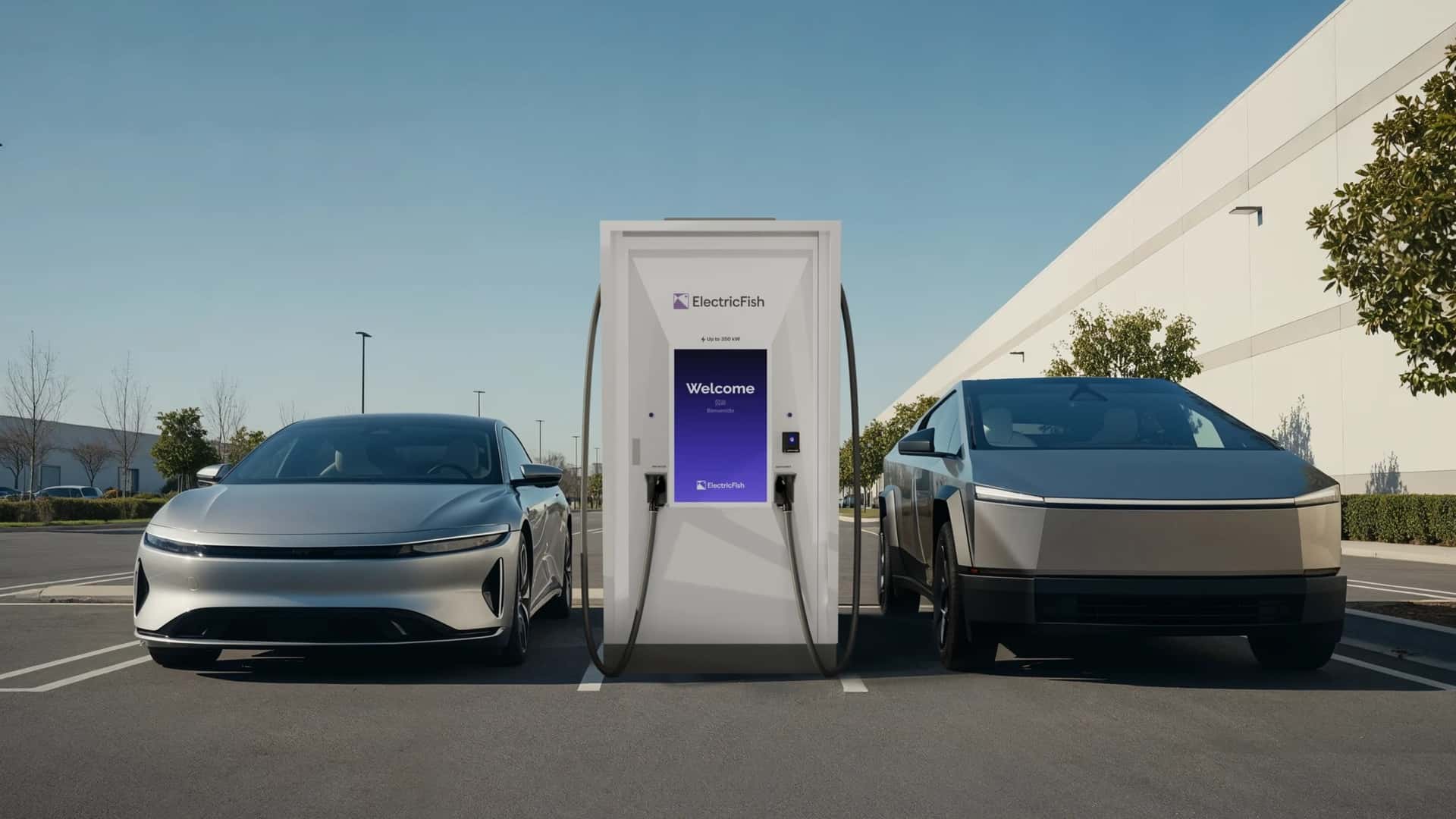
TL;DR: California startup ElectricFish just dropped a bomb on the EV charging world with its 400squared DC fast charger. This bad boy is an all-in-one, battery-backed unit that can be installed in a matter of hours, ditching the need for expensive, months-long grid upgrades. It's makin' ultra-fast charging as easy as plug-and-play, baby!
Meta: ElectricFish's 400squared DC fast charger offers quick installation and ultra-fast charging by utilizing integrated battery storage, bypassing grid upgrade needs.
Now, listen up, 'cause this is some serious tech that's gonna make your life a whole lot easier! You know how folks are always talkin' about "range anxiety" and "charging infrastructure"? Well, ElectricFish, a startup out of California, just zapped one of the biggest bottlenecks outta the way. They unveiled their new 400squared DC fast charger at CES 2026, and this thing is a game-changer, straight up!
See, normally, if you want a powerful 300-kilowatt charger, you gotta jump through hoops, pay for costly grid upgrades, and wait months, sometimes even years, for all that infrastructure to get sorted. It's like tryin' to get a good cheeseburger in a vegan restaurant, just a whole lot of unnecessary drama. But ElectricFish said, "Nah, we ain't got time for that!" Their 400squared is an all-in-one solution that's got 400 kilowatt-hours of energy stored right in its own batteries. That means it can deliver a whopping 400 kilowatts of power (200 kW per port if you're dual-charging) without breakin' the bank on grid upgrades. It's like havin' your own personal power plant on site!
Power on Demand, No Waiting Game
The secret sauce here is those integrated batteries. The charger can pull electricity from the grid during off-peak hours, slowly sippin' power, and then unleash that stored energy like a beast when an EV pulls up needin' a quick top-off. This intelligent charging and discharging means it only needs a reasonable grid connection, even a standard 120- or 240-volt split-phase connection if it can push at least 55 amps. That's somethin' most places can handle, without callin' in the whole utility company army.
ElectricFish ain't playin' around either; they're talkin' 99% uptime, and get this: installation in as little as two hours! That's faster than most folks can assemble IKEA furniture. They even flipped the switch on one at Hyundai's California Proving Ground in record time. This kind of plug-and-play solution is perfect for gas stations, commercial centers, and even emergency deployments where you need power, and you need it now. And they're not alone in this battery-backed game either; XCharge is doin' it in Brooklyn, and Electric Era's got 'em at Costco. It's a growing trend, and it's makin' EV charging a whole lot less of a headache.
What’s Next
The rise of battery-backed DC fast chargers like ElectricFish's 400squared is poised to significantly accelerate the deployment of EV charging infrastructure, particularly in areas where traditional grid upgrades are cost-prohibitive or time-consuming. We can expect to see more of these integrated solutions emerge, transforming gas stations and commercial hubs into rapid EV charging points. This innovation will alleviate charging anxiety and support broader EV adoption by making fast charging readily available without putting undue strain on the existing grid. It's all about bringing the power to the people, faster and smarter.
So if you've been lookin' for a charge that's quick, easy, and doesn't require an act of Congress, ElectricFish just swam in with the answer! This ain't just about faster charging; it's about makin' the whole damn thing work. And that, my friends, is beautiful!
Previous
UL Solutions Drops New Safety Standards for Plug-In Solar: Making Balcony Power Legit!
Next
Trump Administration's Fuel Economy Rollback: Your Wallet's Gonna Feel That, Baby!

Eddie W
Author
Need an OG image?
Share this story to automatically generate an image via /api/og.
Comments
Join the discussion below.